The Ice-Cold Water Obsession That America Can't Explain — And Other Countries Can't Understand
The Glass That Arrives Before You Ask
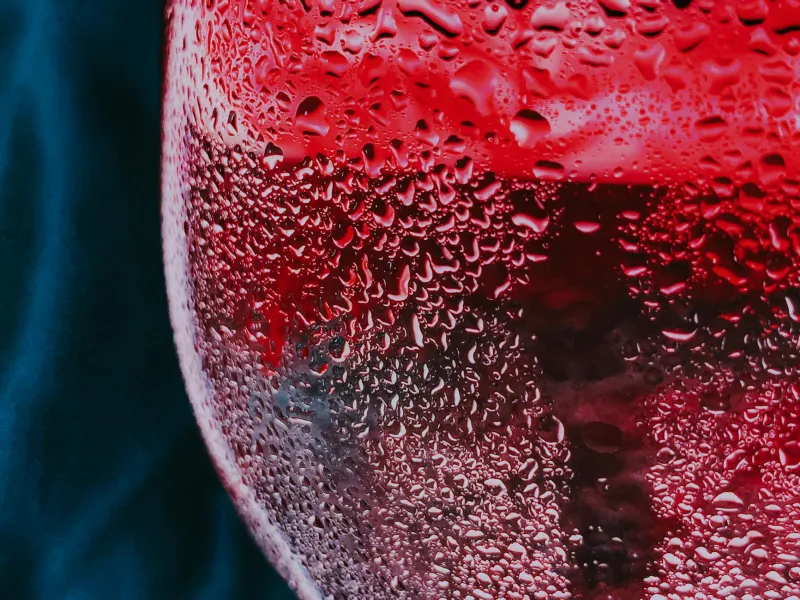
Walk into any American restaurant and watch what happens before you even sit down. The host grabs menus. The server approaches with a smile. And somewhere between "How many in your party?" and "Can I start you with drinks?", a massive glass of ice water appears in front of you, condensation already forming on the outside, ice cubes clinking like tiny bells.
You didn't ask for it. You might not even want it. But there it sits, 16 ounces of aggressively cold water that will be refilled before you're halfway done, creating an endless cycle of hydration whether you requested it or not.
To Americans, this feels normal. To literally everyone else on the planet, it's completely insane.
When Ice Was More Valuable Than Diamonds
America's ice water obsession starts with a man named Frederic Tudor, who in 1806 had what everyone thought was the worst business idea in history: shipping ice from Massachusetts to the Caribbean. His family was so embarrassed they refused to finance the venture. His friends called him "The Ice King" as a joke.
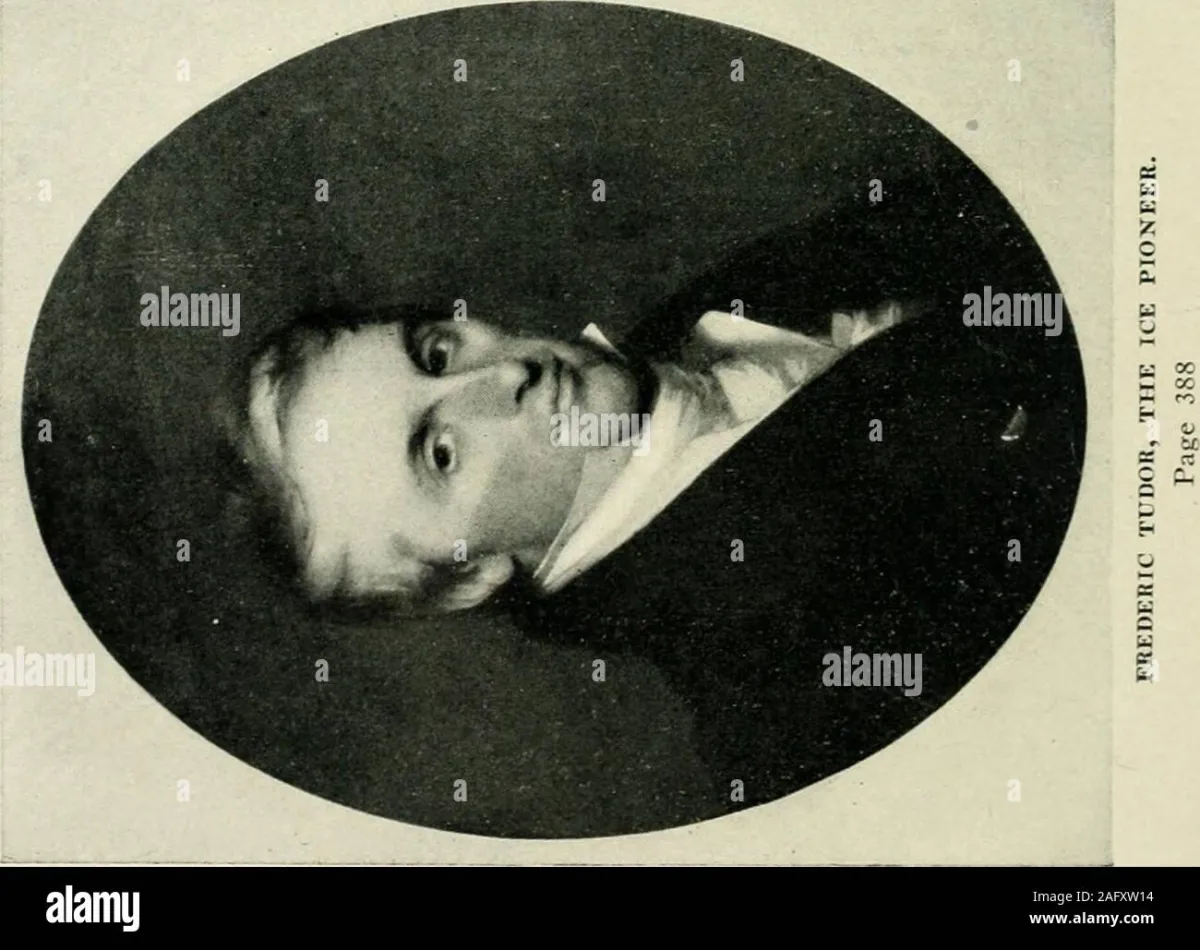 Photo: Frederic Tudor, via c8.alamy.com
Tudor wasn't joking. He spent two decades perfecting the art of harvesting, storing, and shipping ice to places where it had never existed before. By the 1830s, his ice ships were reaching India, where British colonials paid premium prices for the luxury of cold drinks in tropical heat.
But Tudor's real genius was marketing ice not as a luxury, but as a necessity. He convinced doctors that cold water was healthier than room temperature water. He persuaded hotels that ice service was a sign of sophistication. He turned frozen water into a status symbol, then made that status symbol affordable enough for middle-class Americans to expect it everywhere.
The Prohibition Connection Nobody Talks About
When the 18th Amendment banned alcohol in 1920, American restaurants faced a crisis. Their profit margins had depended on wine and beer sales. Suddenly, they needed to make money selling food and non-alcoholic beverages to customers who were probably in worse moods than usual.
Ice water became the solution. It was free to provide but expensive-feeling to receive. It kept customers' hands and mouths busy during the awkward periods when they would have been sipping cocktails. Most importantly, it created the illusion of abundance and hospitality without actually costing the restaurant anything significant.
Restaurants also discovered that very cold water had a psychological effect. It felt refreshing and energizing in a way that room temperature water didn't. Customers who drank ice water seemed more alert, more satisfied, and more likely to order additional items. The ice water wasn't just filling time — it was actively improving the dining experience.
Why the Rest of the World Thinks We're Crazy
Meanwhile, in most other countries, the automatic ice water tradition never developed because the underlying problems it solved didn't exist. European restaurants made money on wine, not food. Asian restaurants focused on tea service. Tropical countries had their own cooling beverages that actually made sense in hot climates.
More importantly, many cultures view very cold water as unhealthy or unpleasant. Traditional Chinese medicine teaches that cold drinks disrupt digestion. Many European countries believe that ice water can cause stomach cramps. In India, Ayurvedic practice recommends room temperature water for optimal health.
So when international visitors encounter American ice water service, they're not just confused by the cultural practice — they're often actively uncomfortable with the temperature. Flight attendants on international airlines report that European passengers regularly request "water without ice," while Americans ask for "extra ice" in the same beverage.
The Internet Discovers America's Water Weirdness
Social media has turned American ice water service into a global meme. TikTok videos of Europeans reacting to American restaurant water service regularly go viral. "Why is American water so violent?" asked one British influencer, referring to the aggressively cold temperature and enormous serving size.
Reddit threads about American dining customs inevitably include confused international comments about the water situation. "Do Americans not understand that you can drink water that isn't frozen?" "Why do they give you enough water to fill a bathtub?" "Is this why Americans are always going to the bathroom during movies?"
The confusion works both ways. Americans traveling abroad often complain about receiving "warm" water (which is actually room temperature) and having to specifically request ice. Travel forums are full of American tourists asking how to get properly cold water in Europe, Asia, and South America.
The Science Behind the Obsession
It turns out there might be physiological reasons why Americans became so attached to ice water. Cold water does get absorbed into the bloodstream faster than warm water, providing quicker hydration. It also burns a tiny number of calories as your body warms it to body temperature — not enough to matter for weight loss, but possibly enough to create a subtle energy boost.
Cold water also triggers the vagus nerve, which can create a brief feeling of alertness and well-being. This might explain why ice water became associated with good service and hospitality in American culture — it literally makes people feel better, even if they don't know why.
The Hydration Arms Race
Modern American restaurants have turned ice water service into an elaborate competition. Some places serve water in mason jars to suggest artisanal quality. Others add cucumber or lemon slices to create the impression of spa-level luxury. High-end steakhouses use specialized ice machines that create perfectly clear, slow-melting cubes.
Fast-casual chains have gone the opposite direction, installing self-serve water stations with industrial-strength ice dispensers that let customers control their own hydration destiny. Either way, the ice water has become a restaurant's first chance to make an impression, for better or worse.
The Tradition That Won't Thaw
Despite growing awareness of cultural differences and environmental concerns about ice production, American ice water service shows no signs of disappearing. If anything, it's becoming more elaborate and more automatic.
Restaurant training programs still teach servers to fill water glasses before greeting tables. Point-of-sale systems include automatic reminders to refill water. The ice water has become so embedded in American dining culture that removing it would feel like a step backwards, not forwards.
So the next time you're automatically served a glass of ice water you didn't request, remember: you're experiencing the result of 200 years of ice marketing, Prohibition-era creativity, and a uniquely American belief that more is always better than less. The rest of the world may never understand why we need our water to be frozen, but that's fine.
We don't understand why they don't.