The Army Biscuit That Accidentally Conquered Every Soup Bowl in America
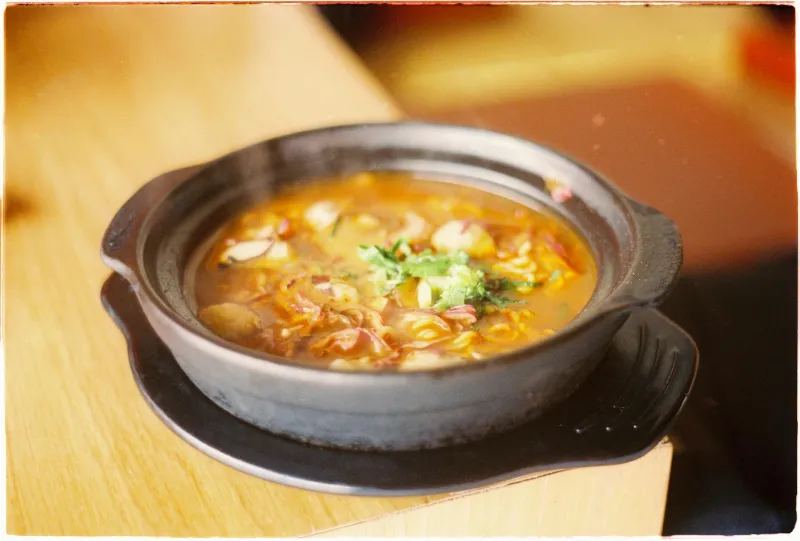
The Forgotten War Ration in Your Soup Bowl
Every American has eaten them, but almost nobody thinks about them. Those small, round, white crackers bobbing in your clam chowder or tomato soup are so common they're practically invisible. Yet oyster crackers have one of the most unlikely journeys from military necessity to civilian comfort food in American culinary history.
The story begins not in a cozy New England kitchen, but in the chaos of 1860s America, when a Connecticut baker named Adam Exton faced an impossible challenge: how do you feed an army when half the country is trying to kill the other half?
 Photo: Adam Exton, via substackcdn.com
When Shelf Life Meant Life or Death
Exton wasn't thinking about soup when he developed what would become the oyster cracker in 1876. He was solving a logistics nightmare that had plagued military campaigns since ancient times — how to keep soldiers fed when supply lines stretched across hostile territory and refrigeration didn't exist.
The Civil War had exposed brutal truths about army nutrition. Hardtack, the traditional military biscuit, was notorious for being so tough that soldiers nicknamed it "sheet iron" and "tooth dullers." Worse, it attracted weevils and went rancid in humid conditions. Armies needed something that could survive months of transport while remaining edible enough that starving soldiers would actually eat it.
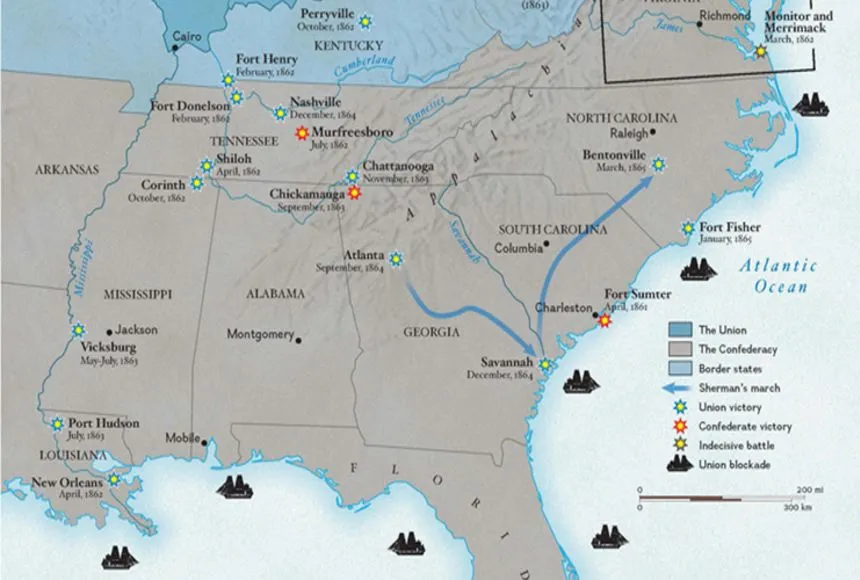 Photo: Civil War, via images.nationalgeographic.org
Exton's innovation was deceptively simple: a small, dense cracker that used minimal ingredients but maximum technique. By controlling moisture content and baking temperature, he created something that could last indefinitely without spoiling, yet still dissolve pleasantly in liquid. The round shape wasn't aesthetic — it was engineering, providing maximum surface area for even baking while minimizing breakage during transport.
The Oyster House Connection That Changed Everything
The military contract made Exton successful, but it was peacetime that made his crackers legendary. As Civil War veterans returned home, many carried memories of those reliable little crackers that had sustained them through the war's darkest moments. But the real breakthrough came when Exton started selling to oyster houses.
In the 1870s, oyster bars were America's fast food. These rough-and-tumble establishments served fresh shellfish to working-class customers who needed cheap, filling meals. The problem was presentation — raw oysters on their own looked sparse on a plate, and customers wanted something to stretch their dollar.
Exton's crackers proved perfect. They absorbed the briny oyster liquor, added substance to the meal, and cost almost nothing to serve. More importantly, they didn't compete with the oysters' flavor — they enhanced it. Within a few years, every oyster house from Boston to San Francisco was serving Exton's crackers alongside their shellfish.
How Soup Stole the Show
The transition from oyster houses to soup bowls happened gradually, then suddenly. As oyster bars declined in the early 1900s — victim to pollution concerns and changing tastes — the crackers found new purpose in America's growing restaurant industry.
Soup was becoming a menu staple, but restaurants faced the same problem oyster houses had: how to make a liquid meal feel substantial without breaking the budget. Oyster crackers provided the answer. They were cheap, stored indefinitely, and transformed any thin soup into something that felt like a complete meal.
The real genius was in the serving method. Instead of mixing crackers into soup, restaurants began serving them on the side in small bowls or packets. This let customers control their own experience while creating the illusion of added value. A bowl of tomato soup suddenly came with "complimentary crackers" — making diners feel they were getting something extra for free.
The Campbell's Revolution
Oyster crackers might have remained a regional curiosity if not for the rise of canned soup. When Campbell's began marketing condensed soups to home cooks in the 1920s, they faced a perception problem: soup from a can didn't feel like "real" cooking to many housewives.
The solution was brilliant marketing psychology. Campbell's began featuring oyster crackers in their advertisements, showing proper ladies serving soup with a small dish of crackers on the side. The message was clear: this wasn't just opening a can, it was creating a complete dining experience.
The strategy worked so well that oyster crackers became permanently associated with soup in the American mind. By the 1950s, no soup course was complete without them, whether at a white-tablecloth restaurant or a truck stop diner.
The Invisible Conquest
Today, oyster crackers represent one of food marketing's most successful disappearing acts. They're everywhere — in restaurant baskets, vending machines, grocery stores — yet most people couldn't tell you where they came from or why they exist.
This invisibility is actually their greatest triumph. Oyster crackers became so embedded in American dining culture that questioning their presence would be like questioning why forks have four tines. They simply are, as fundamental to the soup experience as the bowl itself.
The next time you're mechanically crushing oyster crackers into your chowder, remember: you're participating in a ritual that began with Civil War rations and oyster bar economics. Sometimes the most ordinary things have the most extraordinary journeys — they just hide in plain sight, floating quietly in your soup bowl.