The Little Black Grain That Made America's First Millionaires — Before Anyone Knew Where It Came From
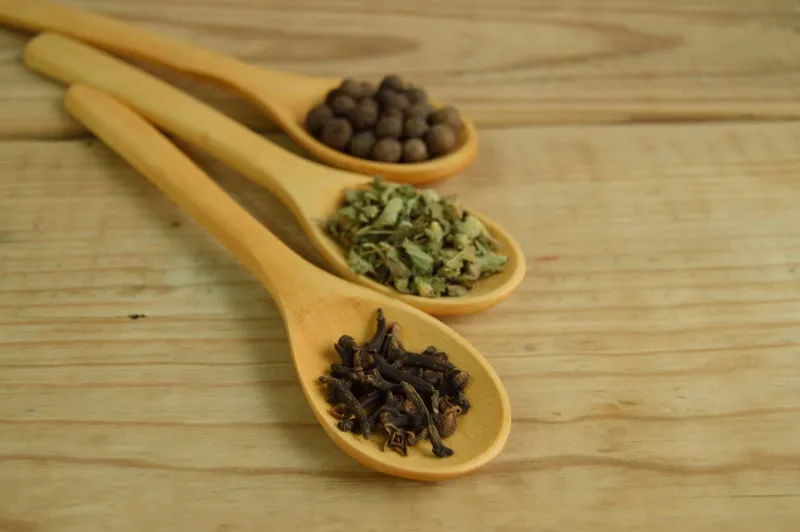
The Spice Worth More Than Silver
Reach into any American kitchen cabinet and you'll find a small container of black pepper, probably half-empty and definitely taken for granted. But five hundred years ago, that same pinch of pepper would have been worth a day's wages. The tiny black spheres that now cost pennies per pound once drove European nations to war, funded entire colonial empires, and accidentally laid the foundation for every grocery store in America.
The story begins in medieval Europe, where pepper wasn't just expensive — it was currency. Landlords accepted pepper as rent payment. Dowries were paid in peppercorns. When someone died wealthy, their pepper stash was itemized in their will alongside gold and land. The phrase "peppercorn rent" still exists in legal documents today, a fossil from when those little black specks held real value.
The Mystery Spice From Nowhere
For centuries, Europeans had no idea where pepper actually came from. Arab and Venetian merchants controlled the trade routes, carefully guarding the secret of pepper's origins while marking up prices by 1000%. Wild stories circulated about pepper growing in forests guarded by serpents, or being harvested from trees in valleys filled with poisonous snakes.
The truth was simpler but just as distant: pepper grew on vines in Kerala, India, a place most Europeans couldn't locate on a map. The Malabar Coast's black pepper was picked by hand, dried in the sun, and then passed through dozens of middlemen before reaching European tables. By the time a peppercorn made it to London or Paris, it had traveled thousands of miles and changed hands more often than a poker chip.
 Photo: Malabar Coast, via c8.alamy.com
The Race That Changed Everything
When Portuguese explorer Vasco da Gama finally reached India by sailing around Africa in 1498, he wasn't looking for new lands — he was looking for pepper. His first words upon landing in Calicut, according to ship records, were about "Christians and spices." The Portuguese had cracked the code, and suddenly pepper prices in Lisbon dropped by 80%.
 Photo: Vasco da Gama, via www.infoescola.com
But the Portuguese monopoly didn't last long. The Dutch, English, and French all wanted their piece of the pepper trade. The Dutch East India Company became the world's first multinational corporation specifically to control spice routes. Wars were fought over pepper-growing islands. The English word "salary" comes from the Latin for salt, but in practice, many colonial administrators were literally paid in pepper.
How Pepper Built American Commerce
When European colonists arrived in America, they brought their pepper obsession with them. But something interesting happened in the New World: pepper became democratized. Without the traditional European class structures controlling luxury goods, pepper became available to ordinary farmers and shopkeepers. General stores in colonial America stocked pepper alongside flour and sugar, creating the template for modern grocery shopping.
The Salem Maritime Historic Site still preserves records showing how New England merchants made fortunes importing pepper directly from Sumatra, bypassing European middlemen entirely. These pepper profits funded America's first department stores, the first standardized packaging systems, and the first nationwide distribution networks.
The Great Pepper Crash
By the 1800s, improved shipping and cultivation techniques had made pepper so common that it lost its mystique entirely. The same spice that once started wars was now being sold in bulk at country stores. Pepper grinders became wedding gifts instead of family heirlooms. The transition was so complete that most Americans forgot pepper had ever been precious.
The final irony came in the 20th century, when black pepper became so cheap and ubiquitous that restaurants started giving it away for free. Those little paper packets of pepper that come with takeout meals? They represent the ultimate victory of mass production over scarcity — a spice once worth its weight in silver now costs restaurants about a tenth of a penny per serving.
The Invisible Spice on Every Table
Today, the average American consumes about four pounds of black pepper per year without thinking twice about it. It sits next to salt on every restaurant table, gets automatically included in most spice blends, and appears in recipes so routinely that cookbooks rarely bother explaining what it is.
But pepper's journey from medieval treasure to modern afterthought tells a larger story about how global trade works. The same economic forces that made pepper precious — limited supply, long shipping distances, political monopolies — still determine which foods are expensive and which are cheap. The difference is that now we have avocados and quinoa playing the role that pepper once did, while pepper itself has become so ordinary that we barely taste it anymore.
Next time you twist that pepper mill over your dinner, remember: you're seasoning your food with the spice that built empires, funded the first global corporations, and accidentally created the American grocery store. It just doesn't cost a fortune anymore.