The Bread Solution That Saved a Sausage Seller's Business — And Changed Fast Food Forever
The Day Everything Changed at the Fair
Picture this: It's 1904, the Louisiana Purchase Exposition is in full swing in St. Louis, and Anton Feuchtwanger has a problem. The German immigrant's frankfurter stand is packed with hungry fairgoers, but he's running dangerously low on the white cotton gloves he loans customers to hold his piping-hot sausages.
 Photo: St. Louis, via www.blogography.com
 Photo: Anton Feuchtwanger, via http2.mlstatic.com
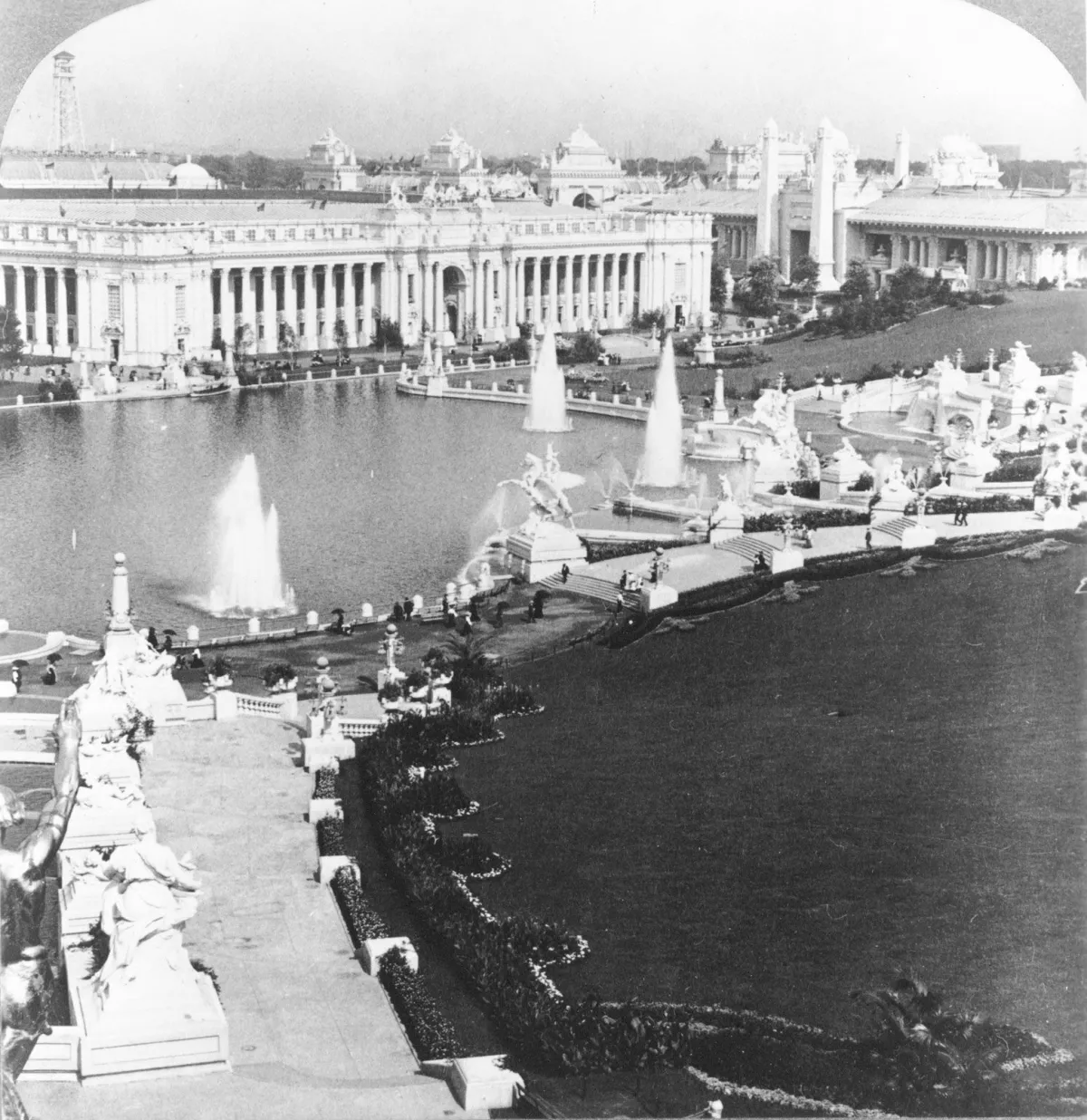 Photo: Louisiana Purchase Exposition, via cdn.britannica.com
Feuchtwanger had been doing decent business with his traditional approach — serve the sausage, hand over clean gloves, collect the gloves when customers finish eating, wash and reuse. But the World's Fair crowds were overwhelming his system. Customers were walking away with his gloves, forgetting to return them, or simply stuffing them in pockets as souvenirs.
When Desperation Meets Innovation
As his glove supply dwindled to nothing, Feuchtwanger faced a choice: close up shop or find another way. That's when his brother-in-law, a baker operating a nearby stand, offered an alternative that seemed almost too simple to work.
"Why not put the sausage inside bread?" he suggested, quickly shaping some dough into an elongated roll that could cradle a frankfurter.
The idea wasn't entirely new — people had been eating sausages with bread for centuries across Europe. But the specific design — a split roll that could hold the sausage securely while leaving both ends exposed — was born purely from practical necessity that day in St. Louis.
The Accidental Genius of the Design
What Feuchtwanger and his brother-in-law stumbled onto was actually a masterpiece of food engineering. The bun solved multiple problems simultaneously:
It provided insulation, protecting customers' hands from the heat. It created a portable eating experience — no plates, no utensils, no cleanup. The bread absorbed the sausage's juices, making every bite more flavorful. And perhaps most importantly for Feuchtwanger's business model, it was disposable.
Customers loved it immediately. The combination was easier to eat while walking around the fair, and the bread added substance to what had been a fairly light snack. Word spread quickly through the exposition grounds.
From Fair Food to American Institution
The hot dog bun's journey from emergency solution to national staple happened remarkably quickly. Within a decade, street vendors across major American cities had adopted the bread-wrapped sausage format. Baseball stadiums, always looking for foods that fans could eat with one hand while keeping their eyes on the game, embraced the concept enthusiastically.
By the 1920s, the hot dog bun had become standardized. Bakeries began producing the split-top rolls specifically for frankfurters, and the dimensions settled into the proportions we recognize today — roughly six inches long, wide enough to accommodate a standard sausage, with a split that goes about three-quarters of the way through.
The Design That Refused to Change
Here's where the story gets really interesting: despite more than a century of food innovation, the basic hot dog bun design has remained virtually unchanged. Food scientists, entrepreneurs, and major corporations have tried repeatedly to "improve" it.
In the 1960s, some companies experimented with fully enclosed buns that wrapped completely around the sausage. They failed because people wanted to see what they were eating. The 1980s brought attempts at flavored buns — sesame, poppy seed, even herb-infused varieties. Most disappeared because they competed with, rather than complemented, the hot dog's flavor.
More recently, health-conscious brands have introduced whole wheat, gluten-free, and protein-enhanced versions. While these have found niche markets, the basic white flour split-top bun continues to dominate hot dog sales.
Why the Simple Solution Endures
The hot dog bun's staying power comes down to the same factors that made it successful in 1904: it solves practical problems without creating new ones. The split-top design keeps the sausage secure while allowing for easy condiment application. The size provides just enough bread to balance the meat without overwhelming it. And the neutral flavor doesn't compete with the wide variety of hot dog styles Americans have embraced.
Food historians often point to the hot dog bun as an example of "accidental perfection" — a design that emerged from immediate need rather than careful planning, yet proved so functionally superior that it became irreplaceable.
The Legacy of a Desperate Moment
Today, Americans consume roughly 20 billion hot dogs annually, and virtually every one comes nestled in a descendant of that emergency bread solution from the 1904 World's Fair. The hot dog bun industry generates hundreds of millions in revenue, supporting bakeries from small-town operations to major industrial producers.
But perhaps the most remarkable aspect of this story is how it illustrates the unpredictable nature of food innovation. Feuchtwanger wasn't trying to revolutionize American eating habits when he ran out of gloves that day in St. Louis. He was just trying to keep his business running.
Sometimes the most enduring solutions come not from boardrooms or research labs, but from moments of pure practical desperation — when someone with a problem meets someone else with just enough creativity to imagine a different way forward.