The Kitchen Mistake That Gave Every Coffee Shop Its Signature Flavor
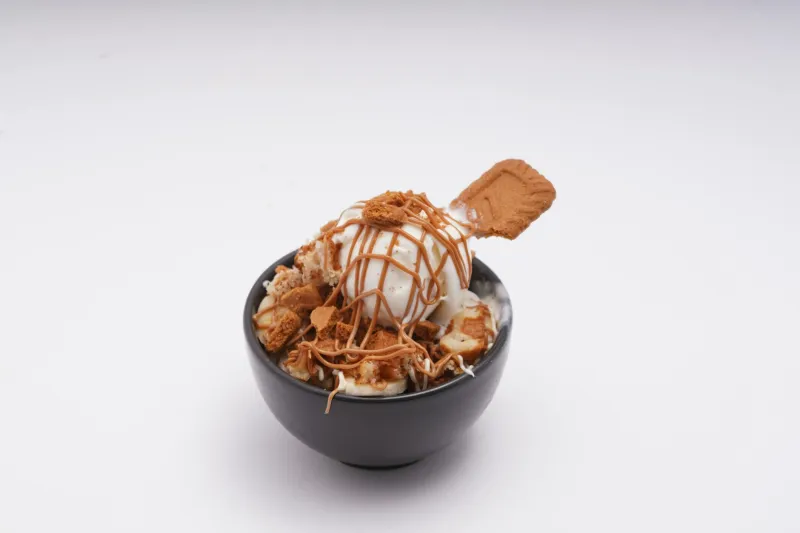
Walk into any Starbucks, Dunkin', or local coffee shop in America, and you'll find the same golden thread connecting nearly every menu item: caramel. It's drizzled on frappés, swirled into lattes, and pooled atop ice cream sundaes. But this ubiquitous flavor that screams "modern coffee culture" actually started with medieval cooks who kept screwing up their sugar.
When Sugar Goes Wrong (In the Best Way)
Sometime around the 17th century, French confectioners were trying to perfect hard candy when they noticed something interesting: if you heated sugar just a little too long, it didn't burn completely—it transformed into something entirely different. The sugar molecules broke down and recombined into hundreds of new compounds, creating a complex, nutty sweetness that was nothing like the original ingredient.
This wasn't a eureka moment. It was more like "well, I guess we're eating this now" repeated across countless kitchens until someone realized they'd stumbled onto culinary gold.
The French called it "caramel," from the Latin "cannamellis" meaning "sugar cane honey." But they weren't the only ones figuring this out. Cooks across the Middle East had been accidentally caramelizing sugar in their own kitchens, often while making traditional sweets. The technique was so simple—heat sugar until it melts and turns amber—that multiple cultures discovered it independently.
From Candy to Sauce: The American Innovation
For centuries, caramel existed primarily as a hard candy or brittle. The transformation into the smooth, pourable sauce we recognize today happened much later, and it was distinctly American.
In the early 1900s, American candy makers began experimenting with adding cream and butter to their caramelized sugar. This wasn't just about flavor—it was about texture. The dairy fat prevented the sugar from hardening as it cooled, creating that signature silky consistency that could coat a spoon or drip perfectly from a squeeze bottle.
Companies like Kraft were among the first to mass-produce caramel sauce for home use, marketing it as the perfect topping for ice cream and desserts. But caramel remained largely confined to dessert applications until the 1990s changed everything.
The Starbucks Effect: How Coffee Made Caramel Cool
In 1999, Starbucks introduced the Caramel Macchiato, and American taste buds were never the same. This wasn't just another coffee drink—it was a cultural phenomenon that transformed caramel from a dessert ingredient into a lifestyle flavor.
The genius wasn't in the recipe itself (espresso, steamed milk, vanilla syrup, and caramel drizzle), but in the marketing. Starbucks positioned caramel as sophisticated yet approachable, sweet but not childish. Suddenly, ordering a caramel latte wasn't just getting coffee—it was making a statement about your refined yet playful palate.
Other coffee chains quickly followed suit. Dunkin' launched their Caramel Swirl drinks, McDonald's added caramel to their McCafé lineup, and independent coffee shops started stocking multiple varieties of caramel syrups. What had been an occasional dessert flavor became a daily ritual for millions of Americans.
The Science Behind the Sweetness
What makes caramel so irresistible isn't just its sweetness—it's the complexity that comes from controlled destruction. When sugar heats to around 320°F, its molecules literally fall apart and rebuild themselves into over 100 different flavor compounds.
Some create nutty notes, others add hints of butter or vanilla, and still others contribute subtle bitter undertones that balance the sweetness. This chemical chaos is why caramel tastes so much more interesting than plain sugar, and why it pairs so well with both coffee's bitterness and cream's richness.
Food scientists have spent decades trying to replicate this flavor profile artificially, but nothing quite matches the complexity of actual caramelized sugar. That's why even the most processed caramel syrups still start with real sugar heated in massive industrial kettles.
From Accident to Empire
Today, caramel is a multi-billion-dollar flavor category. It shows up in everything from seasonal coffee drinks to luxury chocolates, from ice cream flavors to craft cocktail syrups. Salted caramel alone has become its own phenomenon, appearing on restaurant menus across America as both a nod to French tradition (fleur de sel caramels) and pure American innovation.
The irony is delicious: what started as medieval cooks accidentally overheating their sugar has become one of the most deliberately crafted flavors in modern food culture. Every pumpkin spice latte gets its caramel drizzle, every artisanal ice cream shop offers caramel swirl, and every home baker keeps a jar of caramel sauce in their pantry.
So the next time you're sipping that caramel macchiato or drizzling sauce over apple pie, remember: you're tasting centuries of beautiful mistakes, transformed by American ingenuity into the flavor that defines how we sweeten our daily lives. Sometimes the best discoveries happen when everything goes perfectly wrong.