When Everything Came in Barrels — Until One Box Changed American Grocery Shopping Forever
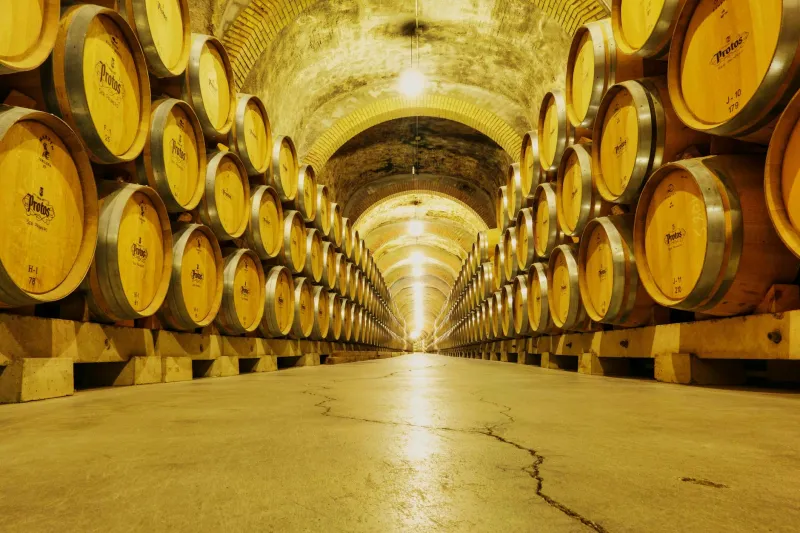
The Barrel Economy That Fed America
Walk into any American grocery store today and try to imagine it without cardboard boxes. No cereal aisles with colorful rectangular packages stacked twenty high. No neat rows of crackers in tidy containers. No bulk rice or flour in manageable portions. Before 1900, none of this existed because everything edible arrived at stores the same way it had for centuries: in massive wooden barrels.
Flour came in 196-pound barrels. Crackers arrived in 50-pound wooden containers that required crowbars to open. Pickles, salt pork, molasses, and even candy were scooped from enormous wooden vessels that dominated store floors. Shopkeepers needed special tools, considerable upper body strength, and significant storage space just to access their inventory.
This barrel-based system shaped everything about how Americans bought food. You couldn't purchase small quantities because breaking open a barrel was a major undertaking. Families bought flour by the hundred-weight not by choice, but because that's how it was packaged. Store layouts were dictated by the space requirements of bulky wooden containers. Pricing reflected the substantial cost of wooden barrels, which often cost more than their contents.
A Trade Show Mishap Changes Everything
In 1903, at a packaging trade fair in Chicago, a demonstration of corrugated cardboard shipping containers was supposed to showcase the material's strength for industrial machinery. Instead, the presenter accidentally dropped a heavy wooden crate onto one of the cardboard prototypes.
The wooden crate splintered. The cardboard box bounced.
Food industry representatives watching the demonstration immediately grasped what had happened. Here was a material that could protect fragile goods, weighed almost nothing, could be manufactured in any size, and cost a fraction of wooden barrels to produce.
Within months, the first corrugated cardboard food containers appeared in Chicago grocery stores. Flour mills began experimenting with 5-pound and 10-pound cardboard packages. Cracker manufacturers discovered they could ship their products in lightweight boxes that preserved freshness better than wooden barrels.
The Grocery Revolution Nobody Noticed
The switch from barrels to boxes happened so quickly that most Americans barely registered the transformation. But the implications were enormous.
Suddenly, grocery stores could stock vastly more products in the same space. Lightweight cardboard meant shopkeepers could handle inventory without assistance. Standardized box sizes allowed for efficient stacking and storage systems that became the foundation of modern retail.
More importantly, cardboard packaging democratized food purchasing. Families could buy flour in quantities that matched their actual consumption. Small households no longer needed to invest in massive barrels of staples. Working-class families gained access to products previously available only to those with significant storage space and upfront capital.
The economic ripple effects extended far beyond grocery stores. Shipping costs plummeted because cardboard weighed so much less than wood. Farmers could reach distant markets because transportation became affordable. Food spoilage decreased because smaller packages meant faster turnover.
How Cardboard Shaped Modern Eating
The transition to cardboard packaging fundamentally altered American eating habits in ways we still experience today. Portion control became possible for the first time in history. Manufacturers could create single-serving packages, family-size containers, and bulk options to match different consumer needs.
Brand marketing exploded because cardboard provided a canvas for colorful graphics and product information. The modern cereal aisle exists because cardboard made it economically feasible to package breakfast foods in appealing, informative containers.
Restaurant supply chains transformed completely. Chefs could order precisely the quantities they needed rather than massive barrels that required immediate use. This flexibility enabled smaller restaurants to compete with larger establishments and contributed to the diversification of American dining.
The Invisible Infrastructure of Everything
Today, corrugated cardboard is so ubiquitous that we rarely consider its role in our food system. Every online grocery delivery, every restaurant supply order, and every trip to the supermarket depends on this packaging technology that emerged from an accidental demonstration over a century ago.
The cardboard box didn't just replace the barrel—it enabled the entire modern food distribution system that connects farms to tables across America. Those lightweight, stackable containers made possible everything from coast-to-coast shipping to the corner bodega's diverse inventory.
Next time you grab a box of crackers or pour cereal from a cardboard container, remember that you're participating in a food system that was accidentally revolutionized by a dropped crate at a Chicago trade show. The humble cardboard box didn't just change packaging—it quietly reshaped how an entire nation eats.