The Tea That Wasn't About Hospitality — How Chinese Immigrants Used Hot Water to Survive American Suspicion
The Ritual Everyone Recognizes
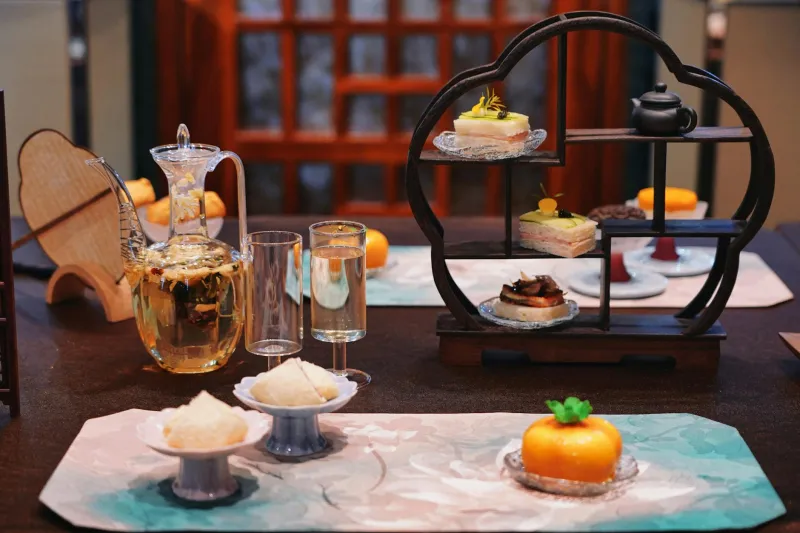
In nearly every Chinese-American restaurant across the country, the same scene plays out thousands of times daily. You sit down, glance at the menu, and before you've decided between sweet and sour pork or beef and broccoli, a server appears with a metal teapot and small cups. Hot tea—usually jasmine or oolong—arrives without being ordered, as automatic as breadbaskets at Italian restaurants or chips and salsa at Mexican establishments.
Most Americans assume this tea service reflects ancient Chinese hospitality traditions. The reality is far more complicated and considerably darker. This ubiquitous ritual emerged not from cultural customs but from a specific moment in American history when Chinese immigrants faced systematic suspicion, legal discrimination, and frequent accusations of poisoning white customers.
When Being Chinese Meant Being Dangerous
During the 1880s and 1890s, Chinese immigrants on the West Coast operated restaurants under a cloud of paranoia and prejudice that's difficult to imagine today. Newspapers regularly published stories about Chinese cooks allegedly poisoning white customers. Local politicians campaigned on anti-Chinese platforms. The Chinese Exclusion Act of 1882 had already banned Chinese immigration and denied citizenship to those already here.
 Photo: West Coast, via seoimgak.mmtcdn.com
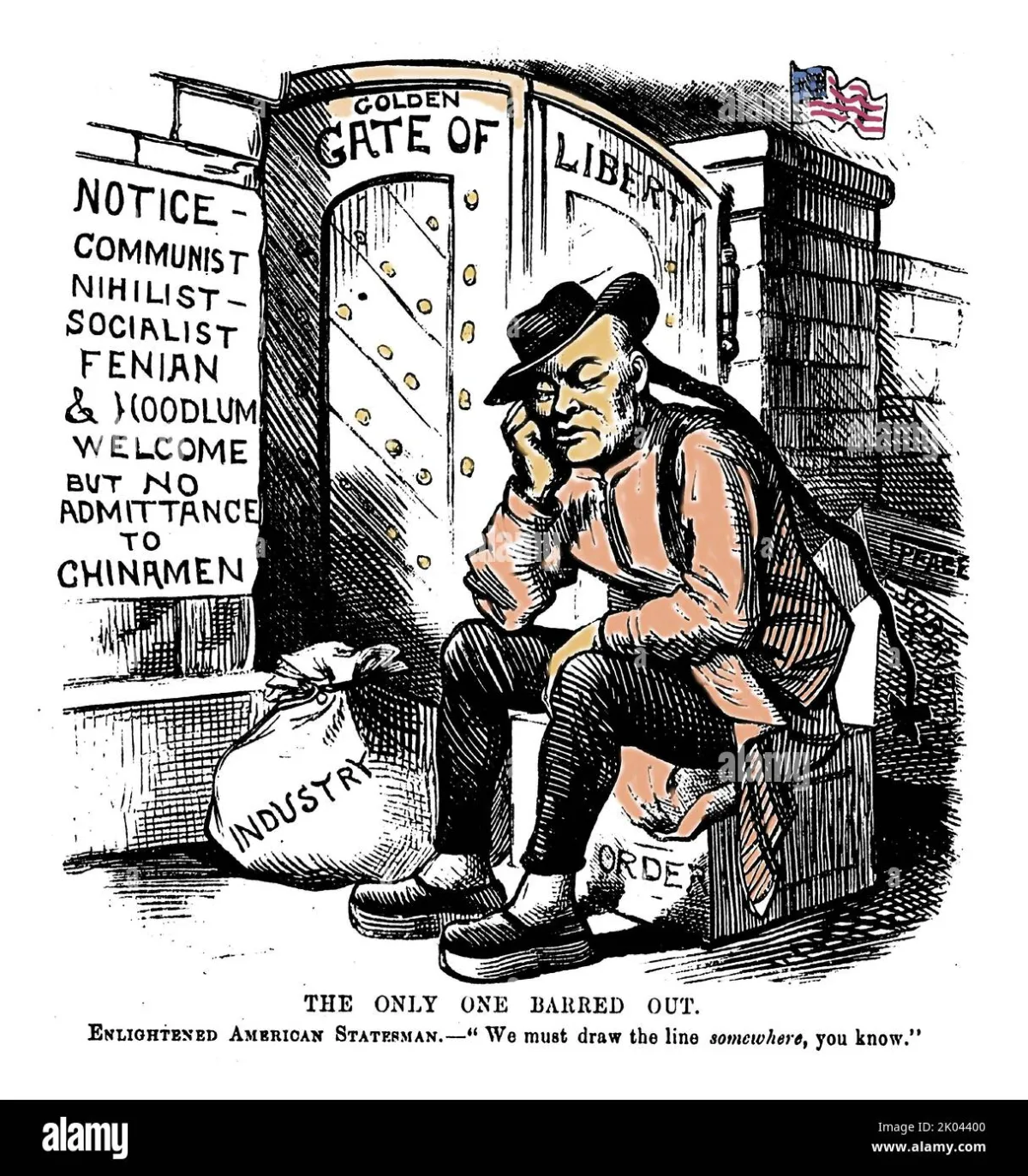 Photo: Chinese Exclusion Act of 1882, via c8.alamy.com
In this hostile environment, Chinese restaurant owners faced a practical problem: how do you convince suspicious customers that your food is safe when a significant portion of the population believes you're inherently untrustworthy?
The solution came from an unlikely source—traditional Chinese medicine and the American obsession with witnessing food preparation.
The Strategic Genius of Visible Brewing
Chinese restaurant owners began serving hot tea immediately upon seating for a calculated reason: it demonstrated safety through transparency. Unlike food prepared in hidden kitchens, tea was brewed in full view of customers using water that was obviously boiling.
The visual elements were crucial. Customers could see the water bubbling, watch the tea leaves steep, and observe the server pour the steaming liquid. This theatrical display of preparation served as proof that nothing dangerous could survive the boiling process.
Moreover, the restaurant owner or family members often drank the same tea in front of customers, providing additional evidence of safety. If the Chinese family was consuming the same beverage they served to white customers, the logic went, it couldn't be poisoned.
How Survival Became Tradition
The tea service strategy proved remarkably effective. Customers who might hesitate to order unfamiliar food felt comfortable drinking tea they had watched being prepared. The ritual created a sense of shared experience—both the Chinese family and white customers consumed the same beverage from the same pot.
As Chinese restaurants spread across the country, this safety demonstration traveled with them. Restaurant owners in New York, Chicago, and smaller cities adopted the practice not because of cultural tradition but because it worked. The tea service had become a business necessity disguised as hospitality.
Generations of Chinese-American restaurant families maintained this ritual long after the original suspicions faded. By the mid-20th century, most customers had forgotten the defensive origins of the practice. What began as a survival strategy had transformed into an expected cultural experience.
The Internet Age Rediscovers the Truth
Modern food bloggers and cultural historians have begun uncovering the real story behind Chinese-American restaurant customs, often with help from social media discussions within Chinese-American communities. Third and fourth-generation restaurant families are sharing family stories that reveal how many "traditional" practices actually originated as responses to discrimination.
The tea service represents just one example of how immigrant survival strategies became embedded in American dining culture. Other Chinese-American restaurant customs—like the lazy Susan tables that allowed customers to see all food being shared, or the practice of cooking certain dishes tableside—also originated as methods for building trust with suspicious customers.
What This Means for Modern Dining
Understanding the true origins of the Chinese restaurant tea service reveals how deeply historical trauma can shape cultural practices. What appears to be a charming hospitality custom actually represents an immigrant community's successful adaptation to hostile circumstances.
This knowledge doesn't diminish the pleasure of the tea service—if anything, it adds layers of meaning to a simple ritual. Every pot of jasmine tea represents not just Chinese hospitality but also the ingenuity, resilience, and business acumen of immigrants who transformed a survival necessity into a beloved American dining tradition.
Today's Chinese-American restaurants continue serving immediate tea service, but the context has completely changed. What once served as proof of safety now functions as genuine hospitality, connecting diners to a ritual that has outlasted the prejudice that created it.
The Legacy of Adaptive Traditions
The next time you sit down at a Chinese-American restaurant and that familiar teapot appears, remember that you're experiencing a tradition born from necessity, refined by experience, and preserved by families who turned suspicion into hospitality. The hot tea that arrives before you order represents more than just a beverage—it's a testament to how immigrant communities can transform defensive strategies into enduring cultural contributions.
That simple pot of tea carries the weight of history, the ingenuity of survival, and the ultimate triumph of hospitality over hostility.