Corner Booth Politics: How Speakeasy Seating Became America's Power Play
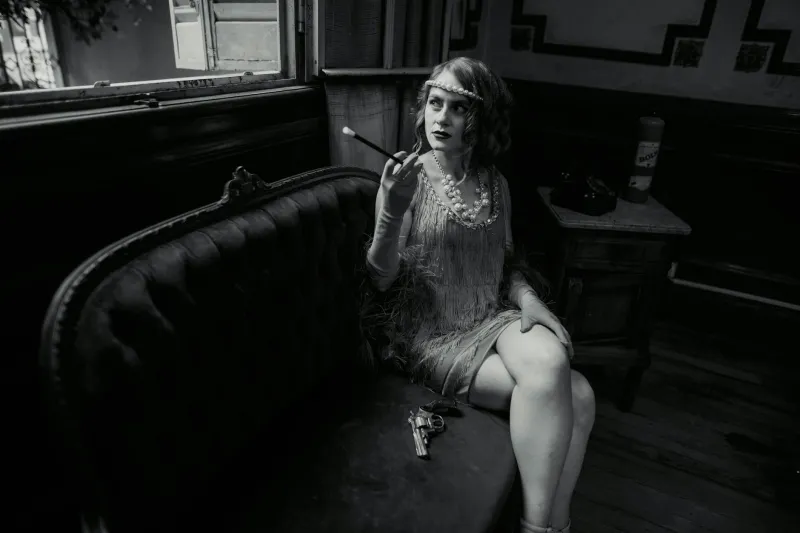
The Architecture of Secrets
Walk into any American restaurant and watch what happens when the hostess asks "booth or table?" Nine times out of ten, people choose the booth. But few realize they're selecting a seat specifically designed for conspiracy.
The modern restaurant booth traces its DNA directly to Prohibition-era speakeasies, where enclosed seating wasn't about comfort — it was about survival. When selling alcohol was illegal and police raids were common, having a conversation required architectural privacy. The high-backed booth provided exactly that: a semi-private room within a public space.
Speakeasy Engineering
During the 1920s, speakeasy owners discovered that booth design could make or break their business. High backs blocked sightlines from other tables, while corner booths offered the ultimate strategic advantage — you could see who was coming while controlling who could overhear your conversation.
This wasn't accidental. Bootleggers, politicians, and anyone conducting "business" during Prohibition needed to discuss prices, territories, and bribes without broadcasting their plans to the room. The booth became the original cone of silence, decades before Maxwell Smart made it famous.
Gangsters like Al Capone famously preferred corner booths in Chicago restaurants, positioning themselves with backs to the wall and clear views of all entrances. This seating choice was so associated with criminal activity that some establishments advertised "no corner booths" to distance themselves from the speakeasy reputation.
From Crime to Comfort
After Prohibition ended in 1933, restaurant owners faced a problem: what to do with all this privacy-focused seating? The answer was brilliant marketing — they rebranded booth seating as intimate and romantic rather than secretive and criminal.
By the 1940s, booths had shed their gangster associations and become symbols of American dining comfort. Diners embraced them as democratic luxury — everyone could afford booth seating, unlike private dining rooms that remained exclusive to the wealthy.
The post-war suburban boom cemented booth culture. Family restaurants discovered that booths could seat more people in less space while creating the illusion of privacy for families with screaming children. Parents loved being able to contain their kids, while restaurant owners loved maximizing floor space.
The Neuroscience of Booth Preference
Modern research reveals why we're hardwired to prefer booth seating, and it has nothing to do with comfort. Neuroscientists studying spatial behavior found that humans instinctively seek what they call "prospect and refuge" — the ability to see potential threats while having a protected back.
This survival instinct explains why corner booths remain the most requested seating in restaurants. Sitting with your back to the room triggers subconscious anxiety, while booth seating satisfies our primitive need to control our environment. We're essentially still thinking like prey animals, even when ordering appetizers.
The high backs also create what psychologists call "territoriality" — a sense of ownership over the space that makes diners feel more relaxed and likely to linger. Restaurant owners learned this accidentally but have exploited it deliberately ever since.
Power Lunch Architecture
In the business world, booth selection became an art form. Wall Street executives discovered that corner booths in expensive restaurants provided the perfect setting for sensitive negotiations. The enclosed space suggested confidentiality, while the public setting implied transparency — a psychological double-play that made deals feel both private and legitimate.
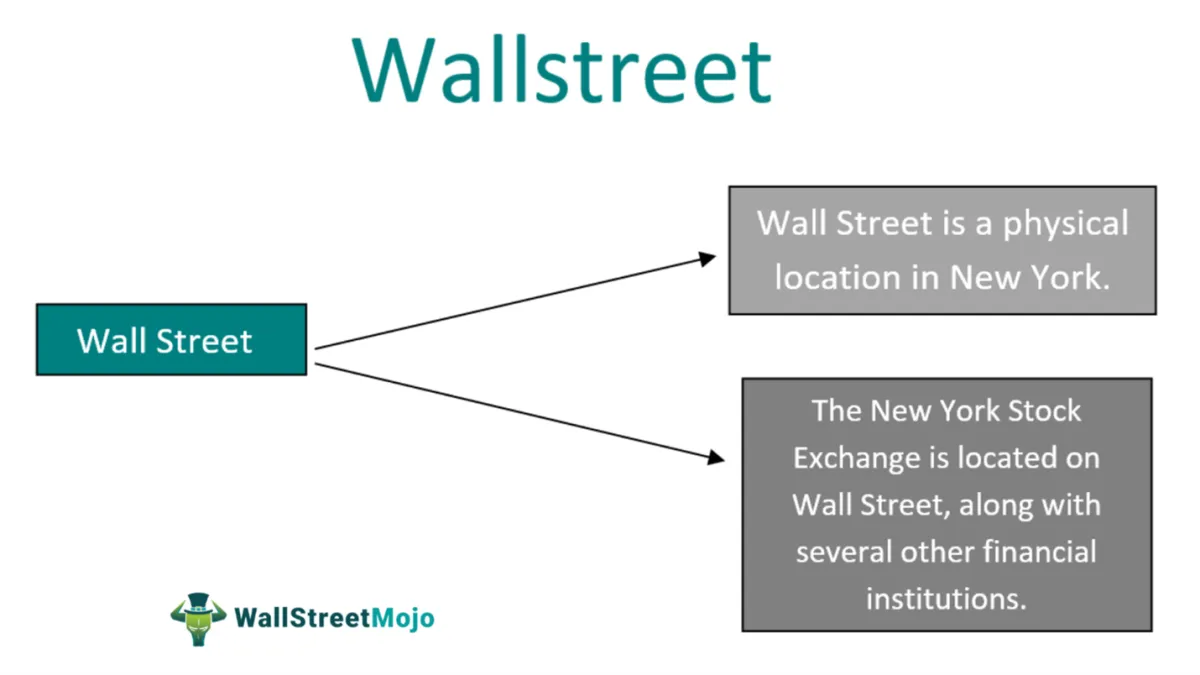 Photo: Wall Street, via www.wallstreetmojo.com
Silicon Valley adopted booth culture for a different reason: the tech industry's obsession with "disruption" required spaces where revolutionary ideas could be discussed without corporate espionage. Many startup deals were literally hatched in restaurant booths, continuing the tradition of using semi-private seating for business that others shouldn't overhear.
The Social Media Paradox
Instagram changed booth culture in ways nobody anticipated. The enclosed seating that once provided privacy now creates the perfect frame for food photography. Booth lighting is typically more flattering than open restaurant seating, and the high backs eliminate distracting backgrounds from photos.
This has led to a strange reversal: spaces designed for private conversation are now optimized for public sharing. Restaurants started designing "Instagram-worthy" booths with better lighting and more photogenic backgrounds, essentially turning privacy architecture into performance spaces.
Modern Booth Evolution
Today's restaurant booths serve multiple functions that would surprise their speakeasy ancestors. Charging ports built into booth tables acknowledge that modern "business" often involves laptops and phones rather than briefcases full of cash. Some high-end establishments offer booths with built-in sound dampening, returning to the original privacy focus but with better technology.
The most exclusive restaurants still use booth assignment as a power signal. Getting the corner booth at certain establishments communicates status just like it did during Prohibition, except now the currency is social media influence rather than illegal alcohol sales.
The Booth's Future
As remote work changes how we think about public and private space, the restaurant booth is evolving again. Some establishments now offer "work booths" with better Wi-Fi and longer time limits, essentially creating public offices within private businesses.
The booth that began as a place to hide illegal activity has become a symbol of American social dining — but its core function remains unchanged. Whether you're planning a startup, conducting a breakup, or just trying to eat dinner without strangers watching, the booth still offers what it always has: the illusion of privacy in a public world.
Marvin Stone's straw might have solved a drinking problem, but the restaurant booth solved a deeper human need — the desire to control who hears what we say. In an age of constant surveillance and social media oversharing, maybe that's why we still gravitate toward these architectural relics from America's most secretive decade.