The Free Bread Basket That Saved American Restaurants — And Confused the Rest of the World
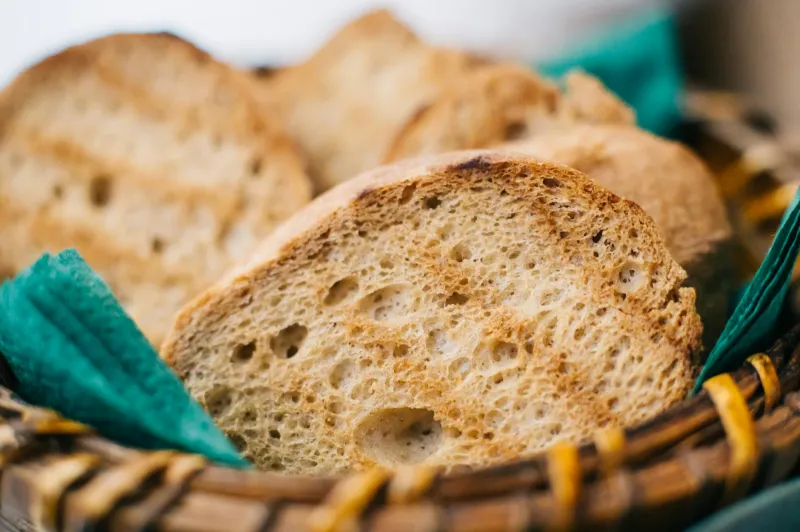
The Bread That Comes Before You Order
Sit down at almost any American restaurant — from Applebee's to high-end steakhouses — and the same ritual unfolds. Before you've decided between the chicken and the pasta, before you've even opened the wine list, a server appears with a basket of bread. Free bread. Unlimited bread. Bread that keeps coming whether you want it or not.
To Americans, this feels as natural as getting a menu. To Europeans visiting the United States, it's baffling. "Why are they feeding us before we've paid for anything?" German tourists ask on TripAdvisor. "Is this bread included in the price?" wonder confused Italians. The answer reveals a uniquely American approach to hospitality that started with economic desperation and evolved into cultural identity.
When Restaurants Nearly Went Extinct
The free bread tradition traces back to the Great Depression, when American restaurants were dying faster than they could close their doors. With unemployment at 25% and discretionary spending at historic lows, restaurant owners faced a brutal choice: find ways to make customers feel like they were getting value, or go out of business.
Smart operators realized that hungry people make poor customers. A customer who's already irritated by an empty stomach is more likely to complain about slow service, argue about prices, and leave bad reviews. But a customer who's been fed — even just a little bit — becomes psychologically invested in the meal before it arrives.
Bread was perfect for this strategy. It was cheap to make, filling enough to improve moods, and could be prepared in advance. More importantly, it sent a message: "We care about you before you've even ordered." In an era when people were counting every penny, that message mattered.
The Post-War Bread Arms Race
After World War II, when American prosperity returned with a vengeance, the bread basket tradition should have disappeared. Instead, it became an arms race. Restaurants started competing not just on the quality of their bread, but on the spectacle of their bread service.
Texas Roadhouse began throwing dinner rolls at customers. Red Lobster made their Cheddar Bay Biscuits so popular that people demanded the recipe. Olive Garden turned unlimited breadsticks into a marketing slogan. The free bread had evolved from survival tactic to competitive advantage.
 Photo: Red Lobster, via thumbs.dreamstime.com
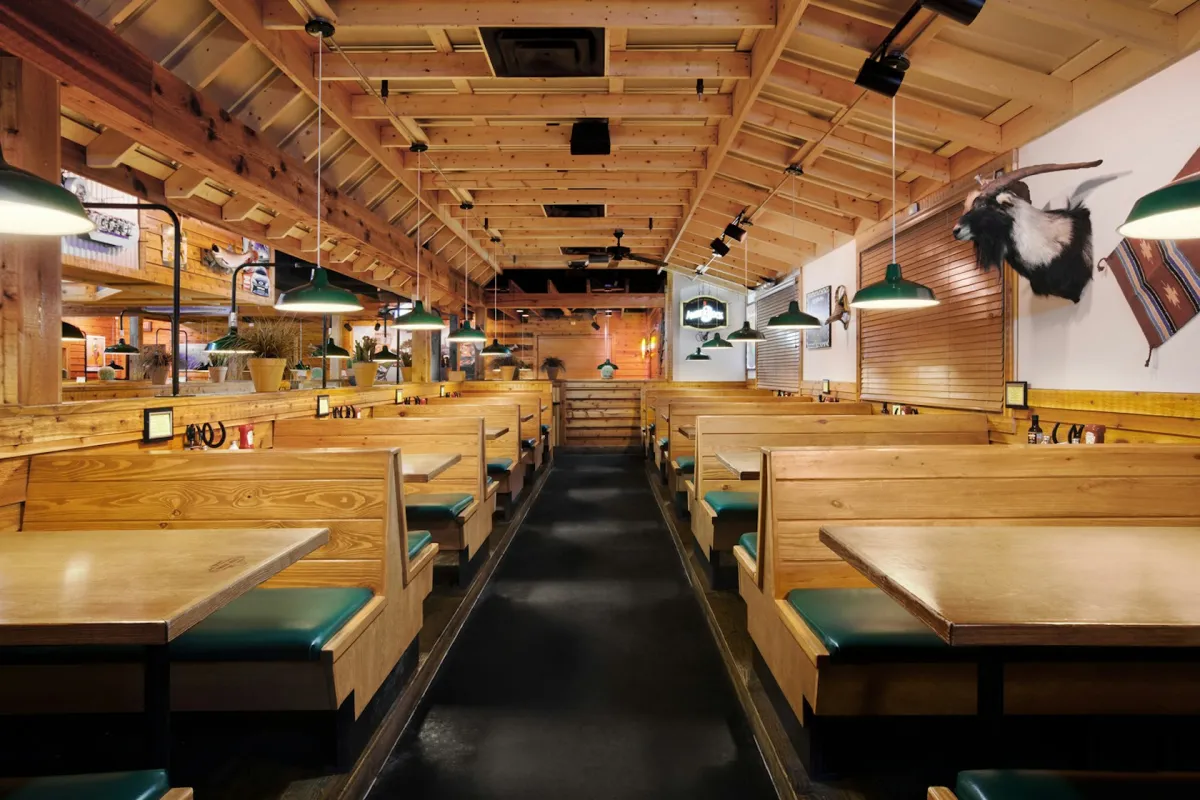 Photo: Texas Roadhouse, via architizer-prod.imgix.net
This escalation puzzled international visitors even more. In France, bread comes with the meal you've ordered — not before it. In Italy, you pay a "coperto" fee for bread and table service. In Germany, bread is substantial enough to be the meal itself. The idea of giving away unlimited bread as a appetizer seemed wasteful, illogical, and vaguely desperate.
Why Europe Never Caught the Bread Bug
European restaurants developed different survival strategies during their own economic hardships. French bistros focused on wine sales, where the profit margins were higher. Italian trattorias emphasized family-style portions that encouraged sharing. German beer halls made their money on drinks, not food.
More fundamentally, European dining culture already had built-in solutions for the problems American restaurants were trying to solve with free bread. European meals traditionally last longer, with multiple courses and extended conversation. Hunger isn't as much of an issue when lunch is expected to take two hours.
American dining culture, by contrast, emphasizes efficiency and value. We want to be seated quickly, served promptly, and given obvious signs that we're getting our money's worth. Free bread checks all those boxes while solving the uniquely American problem of keeping customers happy during what might otherwise feel like dead time.
The Internet Makes Everything Weird
Social media has turned the American bread basket into an even stranger phenomenon. Food bloggers now rate restaurants based on their bread quality. TikTok videos go viral showing people's reactions to particularly good (or bad) restaurant bread. Yelp reviews regularly mention whether the bread was warm, fresh, or refilled quickly enough.
Meanwhile, European food influencers create content explaining American restaurant bread to their confused followers. "Americans get free bread at restaurants" has become a minor genre of cultural explanation videos, usually filed alongside other American restaurant mysteries like free refills, massive portion sizes, and tipping culture.
The Bread Backlash That Never Came
Logically, the free bread tradition should have died out by now. Health-conscious diners complain about unwanted carbs. Restaurants worry about food costs. Environmental advocates point out the waste when bread baskets go untouched.
But the bread basket has proven remarkably resilient, adapting rather than disappearing. Upscale restaurants now serve artisanal bread with house-made butter. Health-focused chains offer whole grain or gluten-free options. Even fast-casual places like Panera have found ways to work free bread into their business model.
The Hospitality That Became Identity
What started as a Depression-era survival tactic has become so embedded in American dining culture that removing it feels like a betrayal. The bread basket represents something larger than carbohydrates — it's a promise that you'll be taken care of, that abundance is possible, that there's always more where that came from.
This explains why European visitors often describe American restaurant service as "overwhelming" or "too much." The free bread is just the beginning of an approach to hospitality that prioritizes obvious generosity over subtle sophistication. We'd rather give you too much than risk giving you too little.
So the next time a server sets down that basket of bread before you've even looked at the menu, remember: you're not just getting free carbs. You're experiencing a uniquely American solution to the universal restaurant problem of keeping customers happy. It's hospitality as abundance, generosity as strategy, and the lasting legacy of restaurants that refused to let the Great Depression kill American dining culture.
The Europeans may never understand it, but that's okay. They have their own food traditions that confuse us just as much.