From Fermented Fish to Squeeze Bottle: The Wild Global Life of Ketchup
From Fermented Fish to Squeeze Bottle: The Wild Global Life of Ketchup
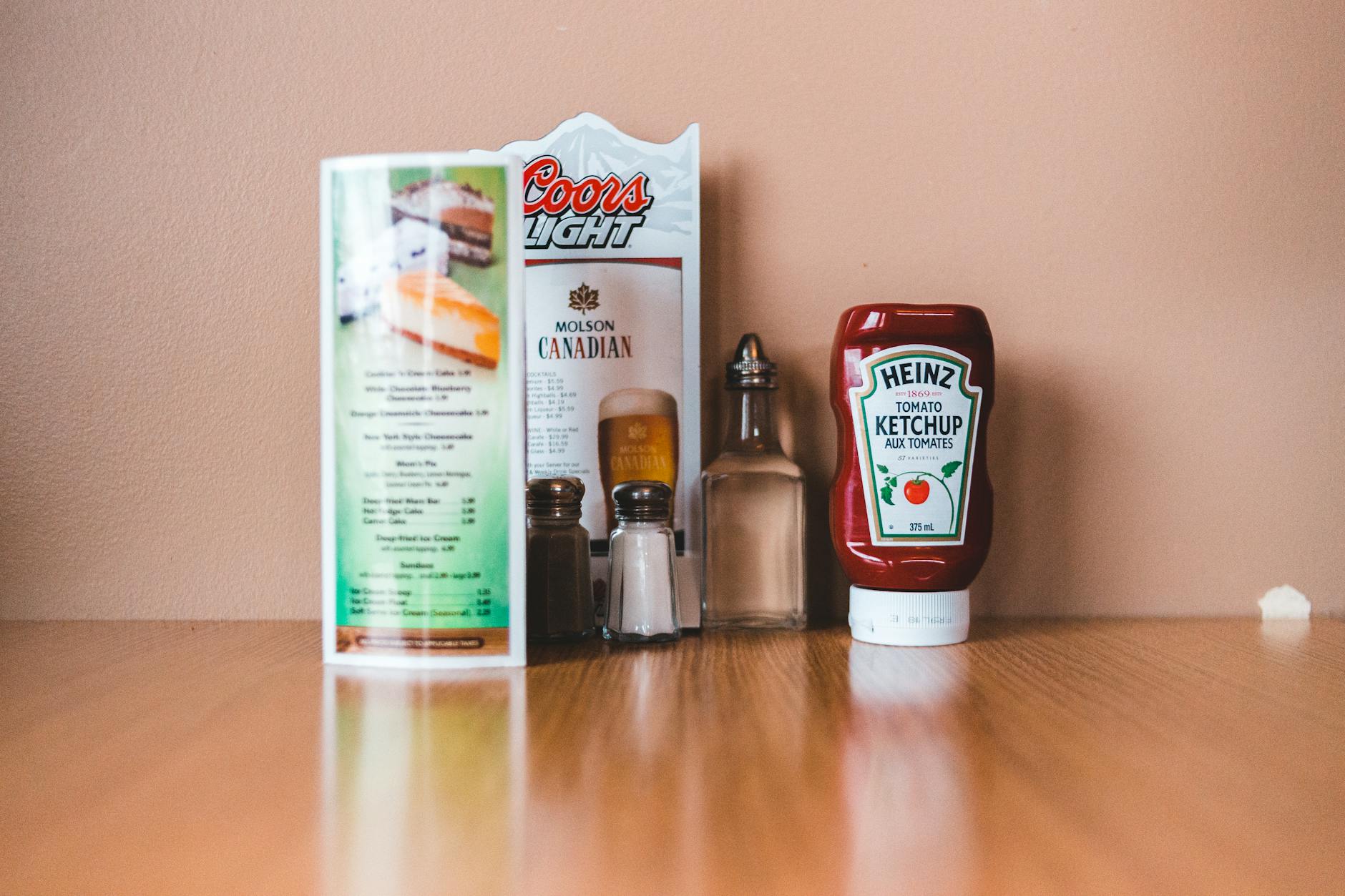
Pull into any roadside diner from Maine to New Mexico and you'll find it: that familiar red bottle, cap crusted just slightly at the top, parked between the salt shaker and the napkin dispenser like it's always belonged there. Americans squeeze roughly 10 billion ounces of ketchup every year. It goes on burgers, eggs, meatloaf, and — if you grew up in certain households — just about everything else. But here's what almost nobody thinks about while reaching for it: ketchup has almost nothing to do with tomatoes. At least, it didn't for most of its history.
The real origin story starts somewhere far from any American kitchen.
A Sauce Born in Ancient Asia
The earliest ancestors of ketchup trace back to southern China and coastal Southeast Asia, where fermented fish sauces were a staple of everyday cooking. Known in various regional dialects as kê-chiap or kôechiap, these condiments were thick, intensely savory, and built around fermented fish or shellfish — not a tomato in sight. Think something closer to modern-day fish sauce or Worcestershire, and you're in the right neighborhood.
These sauces were prized for their ability to add depth and umami to simple dishes, and they traveled well — which mattered enormously in a world built on maritime trade. By the 17th century, British and Dutch sailors had encountered these flavors along Asian trade routes and, as sailors tend to do, they brought the idea home. What arrived in England was less a specific recipe and more a concept: a thin, pungent, highly seasoned liquid used to punch up bland food.
The English took that concept and ran with it in their own direction.
The British Reinvention
In 18th-century Britain, "ketchup" (the spelling was still fluid — you'd see catsup and catchup just as often) became a catch-all term for any number of savory, shelf-stable sauces. Cooks made it from mushrooms, walnuts, oysters, and anchovies. Mushroom ketchup was particularly popular and lingered in British cooking well into the 19th century. None of these versions would be recognizable to a modern American palate, but they were widely used and genuinely beloved.
Tomatoes didn't enter the picture until surprisingly late — and when they did, they were met with real suspicion. The tomato was widely believed to be poisonous in much of Europe and early America, a reputation tied to its membership in the nightshade family. For decades, even as tomatoes slowly gained acceptance as food, putting them in ketchup felt like a stretch.
The first recorded tomato ketchup recipe in the United States appeared around 1812, attributed to scientist and horticulturalist James Mease. But early versions were nothing like what fills those diner bottles today — they were thin, often heavily spiced, and had a short shelf life. The transformation into a thick, sweet, shelf-stable condiment took another century.
How Heinz Made It American
The name most responsible for ketchup's modern identity is Henry J. Heinz. In 1876, his Pittsburgh-based company began selling tomato ketchup commercially, and he approached it differently than anyone before him. Heinz used ripe tomatoes (rather than green ones), added more sugar and vinegar to extend shelf life, and put the product in clear glass bottles so customers could see exactly what they were buying — a radical transparency move in an era when food adulteration was rampant.
The strategy worked. Heinz ketchup became a symbol of cleanliness, consistency, and modernity. By the early 20th century, it had secured its place on American tables, and the company leaned hard into that identity. The famous "57 Varieties" slogan, the iconic bottle shape, the slow pour — all of it became part of American food culture in a way that few condiments have ever matched.
The plastic squeeze bottle arrived in the 1980s, and somehow ketchup got even more American from there.
What It Really Says About Us
There's something quietly remarkable about the arc ketchup has traveled. A fermented fish sauce from the coastal markets of ancient Asia, carried by European sailors, reinvented by British cooks, transformed by American industry, and ultimately squeezed onto a billion school cafeteria trays — it's a condiment that has been continuously remade to fit wherever it landed.
In that sense, ketchup's history is a little bit like American food culture itself: endlessly borrowed, freely adapted, and eventually claimed so completely that the origins become almost invisible.
Next time you reach for that bottle without thinking, consider that the thing in your hand has been on a longer journey than most people take in a lifetime. It just happens to taste like summer and french fries now.