Why Every Restaurant Meal Ends With That Awkward Piece of Paper (Spoiler: It Wasn't Meant for You)
The Crime That Created Your Check
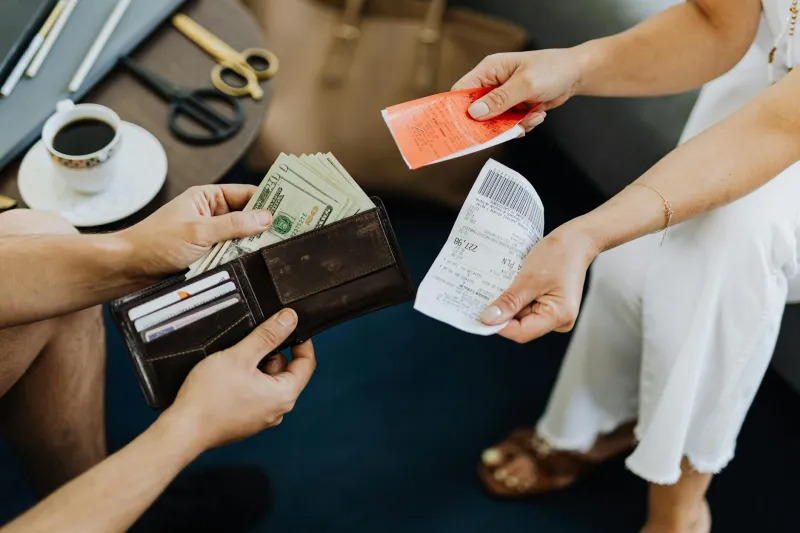
Every night in America, millions of diners experience the same ritual: the server approaches with a small piece of paper, places it discretely on the table, and suddenly the mood shifts. Conversation pauses. Someone reaches for their wallet. The evening's end has officially arrived.
That little slip of paper—the restaurant check—feels as natural as salt and pepper shakers. But unlike most dining traditions that evolved from hospitality or convenience, the check was born from suspicion. Specifically, restaurant owners in the 1870s who were tired of getting robbed by their own employees.
When Waiters Were the House
Before checks existed, dining out worked more like a street vendor transaction. You ordered, ate, and paid your server directly—usually in cash, usually immediately. The server kept a mental tally of what you consumed, told you the total, and pocketed your payment. At the end of their shift, they'd settle up with the house, turning over what they owed for the food and keeping their tips.
This system worked fine when restaurants were small, family-run operations where everyone knew everyone. But as American cities grew in the post-Civil War boom, restaurants got bigger, busier, and more anonymous. Suddenly, owners found themselves employing strangers to handle all their money.
The problem became obvious quickly: servers could easily undercharge friends, "forget" to mention certain items, or simply pocket payments from customers they'd never see again. With no paper trail, owners had no way to track what was actually served versus what money came back.
The Paper Trail Revolution
The solution came from an unlikely source: the same accounting principles that were revolutionizing American business. Just as department stores were starting to use sales slips and banks were issuing receipts, restaurant owners realized they needed their own paper trail.
The first restaurant checks weren't the neat, pre-printed forms we know today. They were often just scraps of paper where servers scribbled down orders—one copy for the kitchen, one for the customer, and crucially, one for the house. This created what accountants call a "three-way match": the kitchen knew what to prepare, the customer knew what they'd ordered, and the owner could verify that money collected matched food served.
By the 1880s, this system had evolved into the familiar routine we still follow. Servers would write down orders on duplicate pads, tear off the kitchen copy, and keep the customer copy until the end of the meal. When it came time to pay, they'd present that paper as both a bill and proof of what had been consumed.
The Unintended Social Consequence
What nobody anticipated was how profoundly this anti-fraud measure would reshape the dining experience itself. Before checks, payment was immediate and transactional—you finished eating, you paid, you left. The check introduced a pause, a moment of reckoning that naturally became the meal's conclusion.
This pause created space for new social rituals. The check's arrival became a signal that the evening was ending. It prompted the "who's paying" dance that still plays out at tables today. It made splitting bills possible—and complicated. It even influenced restaurant design, as tables needed space for the check presentation and payment negotiation.
From Fraud Prevention to Fine Dining Theater
As restaurants grew more sophisticated, so did their checks. High-end establishments began using the check presentation as part of the service experience—arriving in leather folders, accompanied by mints or small desserts, sometimes even flambéed at tableside in the most theatrical establishments.
The check also became a marketing tool. Restaurants printed their names, addresses, and phone numbers on checks, turning them into take-home advertisements. Some added promotional messages or coupons for future visits. What started as internal accounting had become external branding.
The Digital Age Dilemma
Today's point-of-sale systems have eliminated the original fraud concerns that created restaurant checks. Servers can't pocket cash payments when everything runs through digital terminals. Orders are tracked electronically from kitchen to table. The accounting is automatic and auditable.
Yet the check ritual persists, even when it's technologically unnecessary. Restaurants could theoretically charge your card automatically when you finish eating—many fast-casual places already do this. But full-service establishments maintain the check presentation because it's become part of the dining experience customers expect.
The Awkward Institution Nobody Chose
The restaurant check represents something uniquely American: a business solution that accidentally became a cultural institution. We never collectively decided that meals should end with a piece of paper and a payment negotiation. It just happened because some restaurant owners in the 1870s were tired of getting ripped off.
Now, more than 150 years later, we're stuck with this awkward ritual that nobody particularly enjoys but everyone participates in. The server doesn't want to interrupt your conversation to deliver bad news about money. You don't want your evening to end with math and wallet fumbling. But we all play our parts because that's how restaurants work—not by design, but by historical accident.
The next time a server places that familiar slip of paper on your table, remember: you're not just paying for dinner. You're participating in a fraud-prevention system that outlived its original purpose and became the most universal moment in American dining—whether anyone wanted it or not.