She Ran Out of Baking Chocolate — And Accidentally Invented America's Most Beloved Cookie
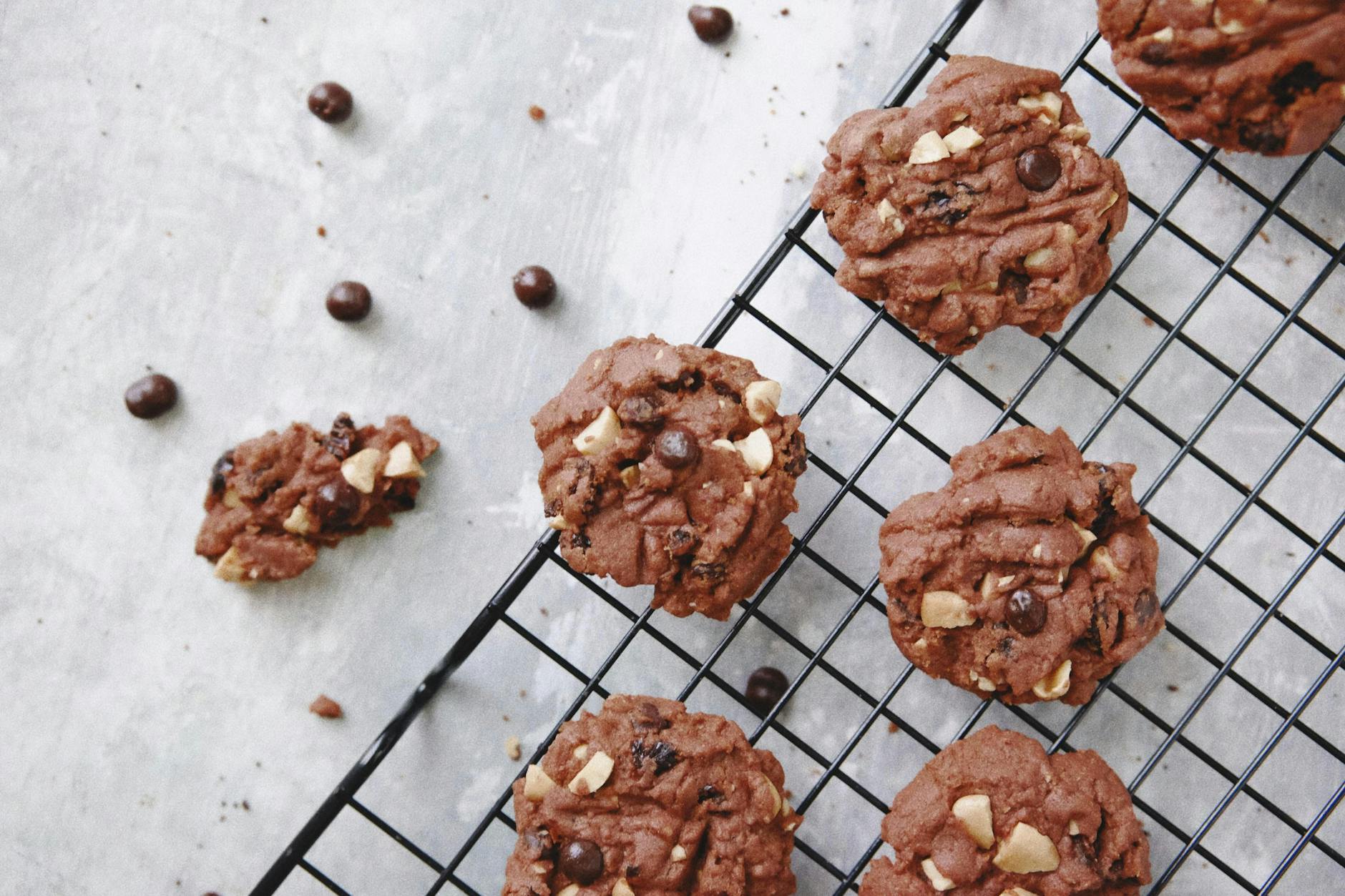
She Ran Out of Baking Chocolate — And Accidentally Invented America's Most Beloved Cookie
If you polled Americans on their favorite cookie, the chocolate chip would win going away. It shows up in lunch boxes and holiday tins, on restaurant dessert menus and in gas station impulse bins. Pillsbury sells the dough in refrigerated tubes. Doubletree Hotels have built a whole brand identity around handing one to every guest at check-in. The chocolate chip cookie is, by almost any measure, the most deeply embedded cookie in American life.
And it exists because a woman in Massachusetts ran out of an ingredient at exactly the right moment.
The Inn, the Baker, and the Missing Chocolate
Ruth Graves Wakefield wasn't a home cook puttering around on a Sunday afternoon. She was a trained dietitian and food lecturer who, along with her husband Kenneth, purchased a tourist lodge in Whitman, Massachusetts in 1930. They named it the Toll House Inn — a reference to the building's original 18th-century function as a rest stop where travelers paid road tolls, changed horses, and got a meal.
The inn became known for its food, and Ruth was the reason why. She cooked nearly everything herself and took the dining experience seriously. Guests came back specifically for her meals, and her desserts built a loyal following. She was, by all accounts, methodical and skilled — not the kind of cook who stumbled into things accidentally.
Which makes what happened next all the more interesting.
The exact details have softened over decades of retelling, but the core story holds: Ruth was making a batch of Butter Drop Do cookies, a classic recipe that called for melted baker's chocolate to be folded into the dough. She either ran out of the chocolate she needed or simply decided to try something different — depending on the version you read. Either way, she broke a Nestlé semi-sweet chocolate bar into small chunks and mixed them into the dough, expecting the pieces to melt completely and distribute through the cookies the way melted chocolate would.
They didn't melt. They softened and turned gooey, but they held their shape — little molten pockets of chocolate scattered throughout a crisp, buttery cookie. Ruth pulled them from the oven, tasted one, and realized she hadn't made a mistake at all.
From Inn Kitchen to National Phenomenon
The cookies became an immediate hit at the Toll House. Guests loved them, and word spread in the way that food news traveled before the internet: through conversation, through handwritten recipe cards passed between friends, through the kind of slow-moving enthusiasm that builds something genuinely lasting.
The story reached Nestlé when the company noticed a puzzling spike in sales of its semi-sweet chocolate bars in the New England region. When they traced it back to what people were actually doing with the chocolate, they found Ruth Wakefield and her cookies. The two parties struck a deal: Nestlé would print the Toll House Cookie recipe on every package of their chocolate, and Ruth would receive a lifetime supply of chocolate in return.
It wasn't exactly a windfall by today's standards. Ruth reportedly never received royalties, and the agreement — while mutually beneficial at the time — has since become a footnote that food historians raise with some regularity. Still, the partnership worked. Nestlé eventually began scoring their chocolate bars to make breaking them easier, and by 1939, they introduced pre-cut chocolate morsels — the chip as we know it — specifically to serve the Toll House recipe.
The name "chocolate chip cookie" followed naturally. The rest is baking history.
The Improvisation That Became a Template
What's worth sitting with here isn't just the charm of the accidental origin — it's what happened after. Ruth Wakefield's improvisation didn't stay an improvisation. It became a recipe, then a packaged product, then a cultural institution. The Toll House Cookie recipe has appeared on Nestlé packaging in some form for over 80 years. It's been translated into dozens of languages, adapted into bars and ice cream flavors and cereal, and memorized by home bakers who don't even realize they're following a Depression-era inn keeper's workaround.
There's also something worth noting about the kind of cook Ruth Wakefield was. She understood her ingredients well enough to recognize when something unexpected was actually something good. A less experienced baker might have thrown the batch out. Instead, she paid attention.
Why It Still Matters
The chocolate chip cookie is one of those foods that people carry an emotional relationship with before they're old enough to explain why. It's connected to school afternoons and holiday baking and the specific comfort of something warm from the oven. That emotional weight didn't come from a corporate test kitchen. It came from a woman in a Massachusetts inn who adapted on the fly and happened to get it exactly right.
Every time someone pulls a tray of chocolate chip cookies out of the oven — whether they're following the recipe on a Toll House bag or going off memory — they're repeating a gesture that started with a substitution, a little uncertainty, and a very good result.
Some of the best things in American food got here the same way.