The Sauce That Conquered America by Accident — One Tourist Boat at a Time
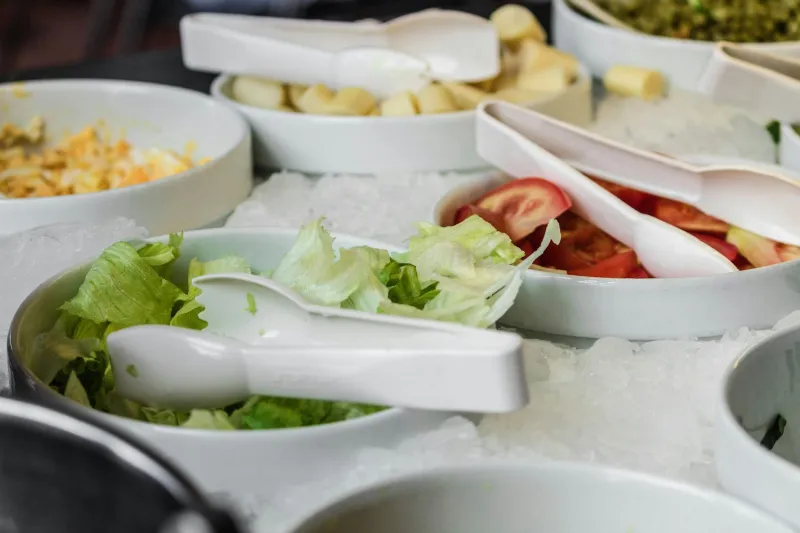
The Dressing That Nobody Planned to Go Viral
Walk into any American restaurant — from a gas station deli to a white-tablecloth steakhouse — and you'll find Thousand Island dressing waiting patiently in the condiment lineup. It's so ubiquitous that most people assume it's always been there, like ketchup or mustard. But Thousand Island's journey from regional novelty to national staple is one of the strangest accidental conquests in American food history.
Unlike other classic American condiments that emerged from corporate test kitchens or immigrant communities, Thousand Island dressing was born from tourism, civic pride, and the kind of local boosterism that defined small-town America in the early 1900s. Its success wasn't planned — it was the result of competing origin stories, persistent marketing, and Americans' endless appetite for convenience.
When Rich People Went Slumming for Salad Dressing
The most widely accepted origin story takes us to the Thousand Islands region of New York, where the St. Lawrence River creates a maze of rocky islands between the United States and Canada. In the early 1900s, this remote area became a playground for wealthy industrialists seeking rustic charm without actual hardship.
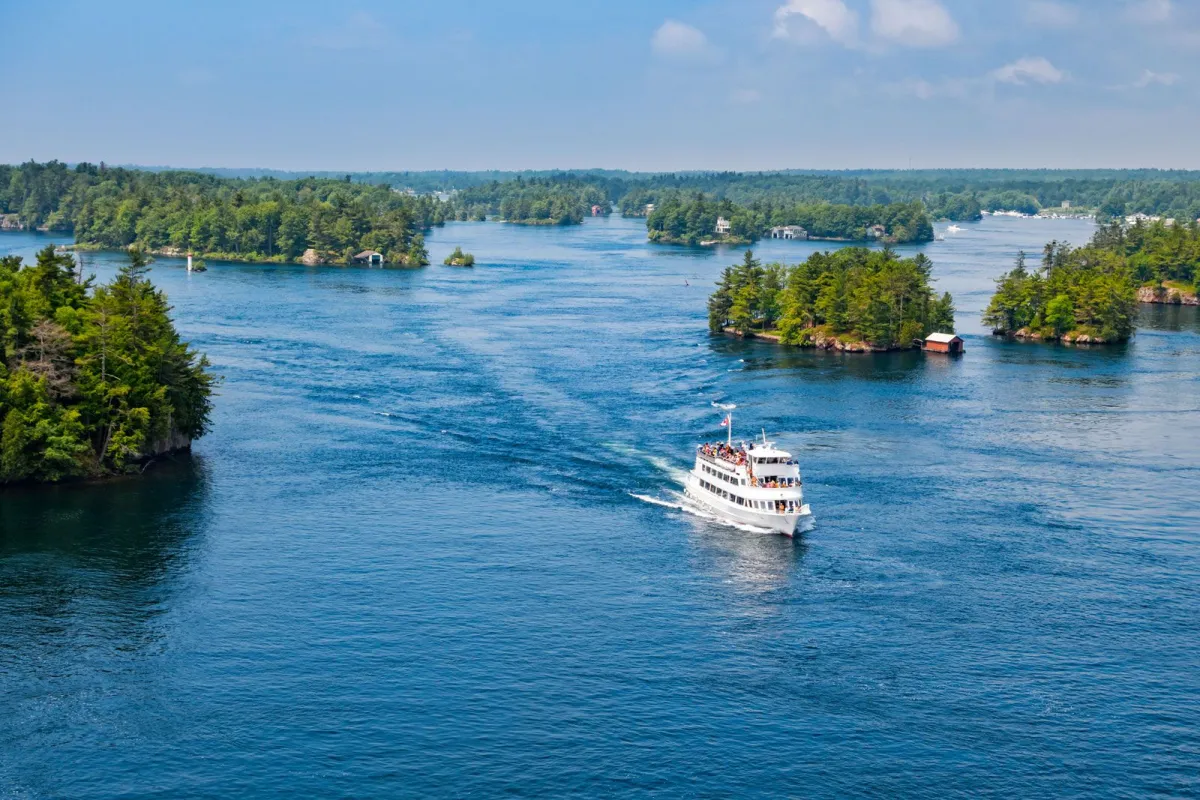 Photo: St. Lawrence River, via cdn.britannica.com
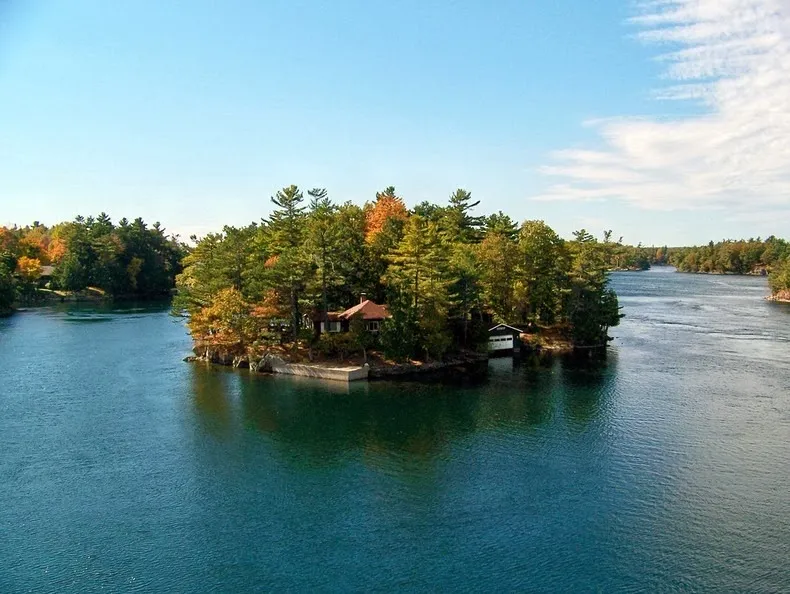 Photo: Thousand Islands, via lh4.ggpht.com
The story goes that a fishing guide named George LaLonde Jr. created the dressing around 1900 to serve to his wealthy clients during riverside picnics. LaLonde's wife had supposedly mixed mayonnaise, ketchup, pickle relish, and hard-boiled eggs into a sauce that could transform simple lettuce into something that felt special enough for millionaires roughing it in the wilderness.
But here's where the story gets complicated: everyone wanted credit for inventing America's next great condiment.
The Manhattan Hotel That Claimed Everything
Miles away in New York City, the Waldorf Astoria Hotel was telling a completely different story. According to their version, maître d'hôtel Oscar Tschirky — the same man who claimed to invent Waldorf salad — created Thousand Island dressing in the hotel's kitchens around 1894.
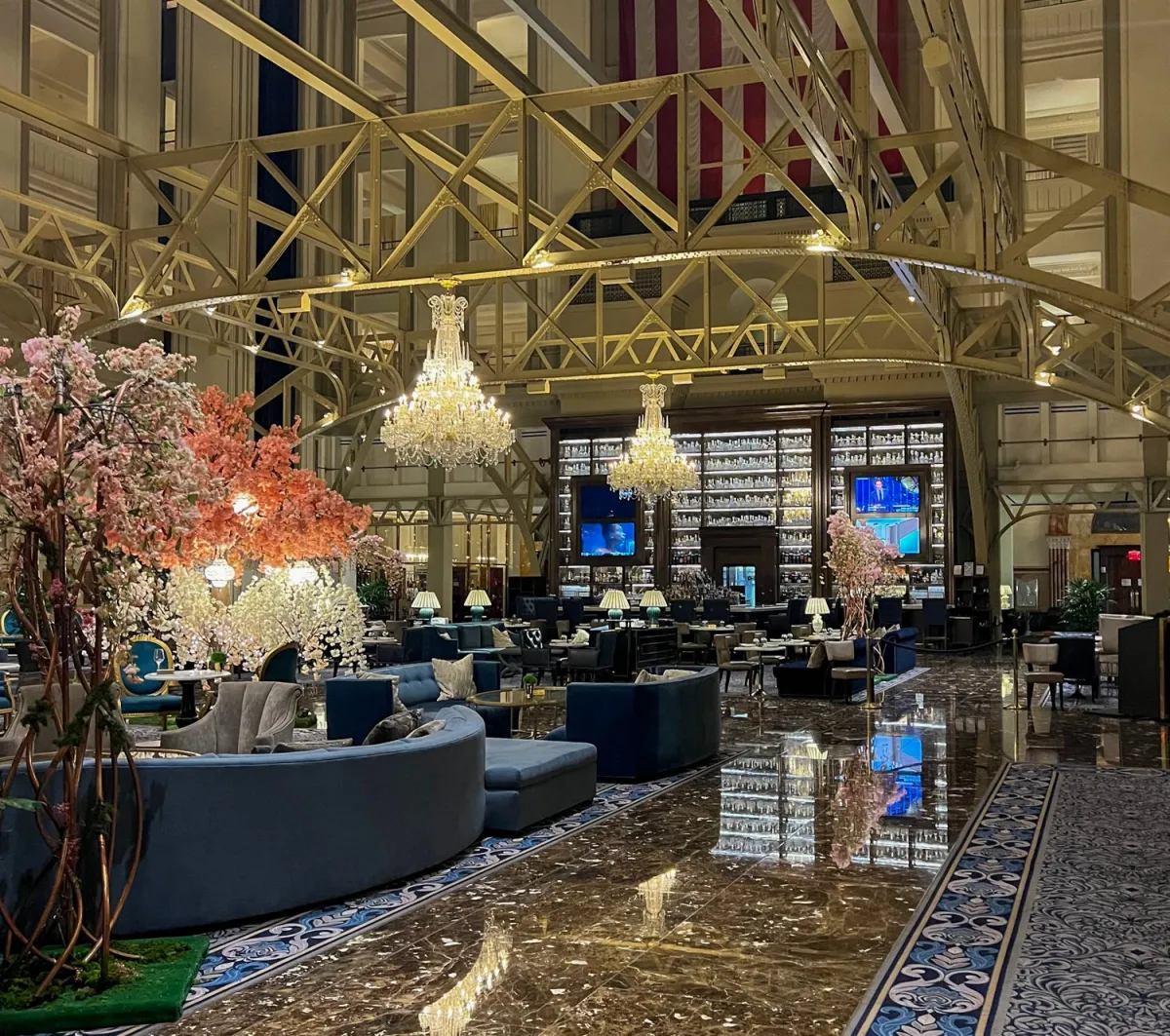 Photo: Waldorf Astoria Hotel, via www.thesterlingtraveler.com
Tschirky's story had all the elements of early 20th-century food mythology: a sophisticated European chef, a glamorous Manhattan hotel, and wealthy patrons who "discovered" the dressing and demanded it everywhere they went. The Waldorf's version positioned Thousand Island as an urban sophisticate, not a wilderness novelty.
The competing claims weren't just about bragging rights — they were about market positioning. The Thousand Islands region was trying to establish itself as a tourist destination, while the Waldorf was building its reputation as America's most innovative luxury hotel. Both needed signature dishes to anchor their brands.
The Great Lakes Alternative Nobody Talks About
Lost in the battle between rural guides and urban hotels was a third origin story from the Great Lakes fishing community. Some food historians trace similar dressings to French-Canadian fishing families who mixed whatever condiments they had on hand to dress the simple salads that accompanied their fish dinners.
This version lacks the glamour of wealthy tourists or famous hotels, which probably explains why it never gained traction in popular culture. Americans prefer their food origin stories with clear heroes and dramatic moments, not gradual evolution in working-class kitchens.
How Tourism Marketing Created a National Obsession
Regardless of who actually invented it, Thousand Island dressing's spread across America was driven by one of the country's first successful regional marketing campaigns. The Thousand Islands region, desperate to compete with more established vacation destinations like the Adirondacks and Catskills, seized on the dressing as a way to create unique identity.
By the 1920s, every hotel, restaurant, and tourist boat in the region was serving "authentic" Thousand Island dressing and telling visitors about its local origins. Tourists returned home with bottles of the stuff and stories about discovering this "secret" regional specialty.
The genius was in the name itself. "Thousand Island" sounded exotic and specific enough to feel special, while the dressing's familiar ingredients made it approachable to mainstream American palates. It was foreign enough to be interesting, familiar enough to be comfortable.
The Fast Food Revolution That Changed Everything
Thousand Island dressing might have remained a regional curiosity if not for the rise of fast food in the 1950s and 1960s. As burger chains expanded across the country, they needed condiments that could be mass-produced, shipped long distances, and applied quickly by minimum-wage workers.
Thousand Island checked every box. Its mayonnaise base was stable, its ingredients were cheap and widely available, and its distinctive pink color made it instantly recognizable. More importantly, it tasted like a "special sauce" while costing almost nothing to produce.
McDonald's Big Mac sauce, introduced in 1968, was essentially Thousand Island dressing with minor modifications. The connection was so obvious that food critics regularly pointed it out, but McDonald's marketing machine was powerful enough to convince millions of Americans that they had discovered something revolutionary.
The Steakhouse Adoption That Sealed the Deal
The final phase of Thousand Island's conquest came through America's steakhouse boom in the 1970s and 1980s. As these restaurants proliferated in suburban strip malls and hotel chains, they needed to differentiate their salad offerings without spending serious money on ingredients.
Thousand Island became the default "premium" dressing option — fancier than ranch or Italian, but not as intimidating as vinaigrettes or exotic imports. It suggested sophistication without requiring any actual culinary knowledge from either kitchen staff or customers.
Steakhouse chains began featuring Thousand Island prominently on their salad bars, often positioning it as a house specialty even when they were using mass-produced versions from industrial suppliers. The strategy worked so well that many Americans still associate Thousand Island dressing with "upscale" dining, despite its presence in every fast food restaurant in the country.
The Quiet Victory of Persistent Marketing
Today, Thousand Island dressing represents one of American food culture's most successful stealth operations. It conquered the country not through revolutionary flavor or celebrity endorsement, but through persistent availability and clever positioning.
Most Americans couldn't tell you where Thousand Island dressing came from, but they've been eating it their entire lives. It's on every salad bar, in every condiment collection, and slathered on burgers from coast to coast. The tourism marketing campaign that started in upstate New York over a century ago is still working — we just forgot we were being marketed to.
The next time you're choosing between salad dressings at a restaurant, remember: that pink sauce in the little cup started as a way to convince wealthy New Yorkers to vacation in the wilderness. Sometimes the most successful marketing campaigns are the ones that make you forget they ever happened.