Kings Once Carried It in Gold. Now It Sits in a Shot Glass by the Register.
Kings Once Carried It in Gold. Now It Sits in a Shot Glass by the Register.
Next time you're leaving a diner and you grab a toothpick from that little dispenser by the door — the one filled with a hundred identical wooden slivers — take a second to consider what you're holding. Because for most of recorded history, that object was not a throwaway. It was a treasure.
The toothpick has one of the most dramatic falls from grace in the history of everyday objects. It went from a personal accessory crafted by goldsmiths and jewelers for kings and aristocrats, to a mass-produced commodity so cheap and plentiful that restaurants give them away for free. That transformation happened in a remarkably short window of time — and it says something interesting about what American industry does to luxury.
When Dental Hygiene Was a Status Symbol
Humans have been cleaning their teeth with pointed implements for tens of thousands of years — archaeologists have found evidence of toothpick use in prehistoric remains. But the toothpick as a status object emerged during the Renaissance, particularly among European nobility.
In the 15th and 16th centuries, wealthy Europeans carried personal toothpicks made from gold, silver, ivory, and even precious gemstones. These weren't tucked away in a pocket — they were worn. Displayed on chains around the neck, attached to elaborate cases, or carried openly as part of a gentleman's personal accessories. Queen Elizabeth I of England reportedly owned a gold toothpick. The Spanish royal court was known for its ornate toothpick sets. Wealthy merchants and nobles exchanged them as gifts.
The logic was partly practical — dental health was genuinely valued by those who could afford to care about it — but mostly social. Owning a fine toothpick meant you ate well enough to need one. It meant you had the leisure and refinement to maintain your appearance. It was, in the most literal sense, a symbol of having enough to eat and caring about the aftermath.
In Renaissance Italy, the stuzzicadenti — the toothpick — was so associated with upper-class dining that using one ostentatiously in public was a recognized social signal. You were advertising your access to good food and fine company.
The Portuguese Connection
Before the wooden toothpick became ubiquitous, Portugal played an unexpectedly significant role in the story. Portuguese sailors and traders had long used thin slivers of aromatic wood — often from orange or lemon trees — as toothpicks, and the practice spread through trade routes across Europe and into South America.
By the 18th century, Brazilian wood had become particularly prized for toothpick-making, and small-scale production of wooden toothpicks existed in pockets of Europe and South America. But it remained a craft industry — slow, inconsistent, and far from cheap.
The democratization of the toothpick was still waiting for the right person, in the right place, with the right machine.
Charles Forster and the Maine Wood Pile
That person was Charles Forster, a Boston-based entrepreneur who encountered wooden toothpicks during travels in South America in the 1860s and became convinced that he could manufacture them at industrial scale in the United States.
He set up his first production operation in Maine — specifically in the town of Strong, which had two things in abundance: white birch trees and rivers to power mills. Birch turned out to be ideal for toothpick production: straight-grained, odorless, and easy to split into thin, uniform slivers.
Forster's machinery could produce millions of toothpicks a day. The problem, initially, was demand. Americans in the 1860s weren't in the habit of using toothpicks after meals the way they would come to be. They weren't part of restaurant culture. They weren't expected.
So Forster did something clever. He hired Harvard students to go into Boston restaurants and loudly ask for toothpicks after eating. When the restaurants said they didn't have any, the students would make a scene — expressing disbelief that a respectable establishment didn't offer toothpicks. Then Forster would show up and offer to supply them.
It was one of the earliest recorded examples of what we'd now call a marketing stunt. And it worked.
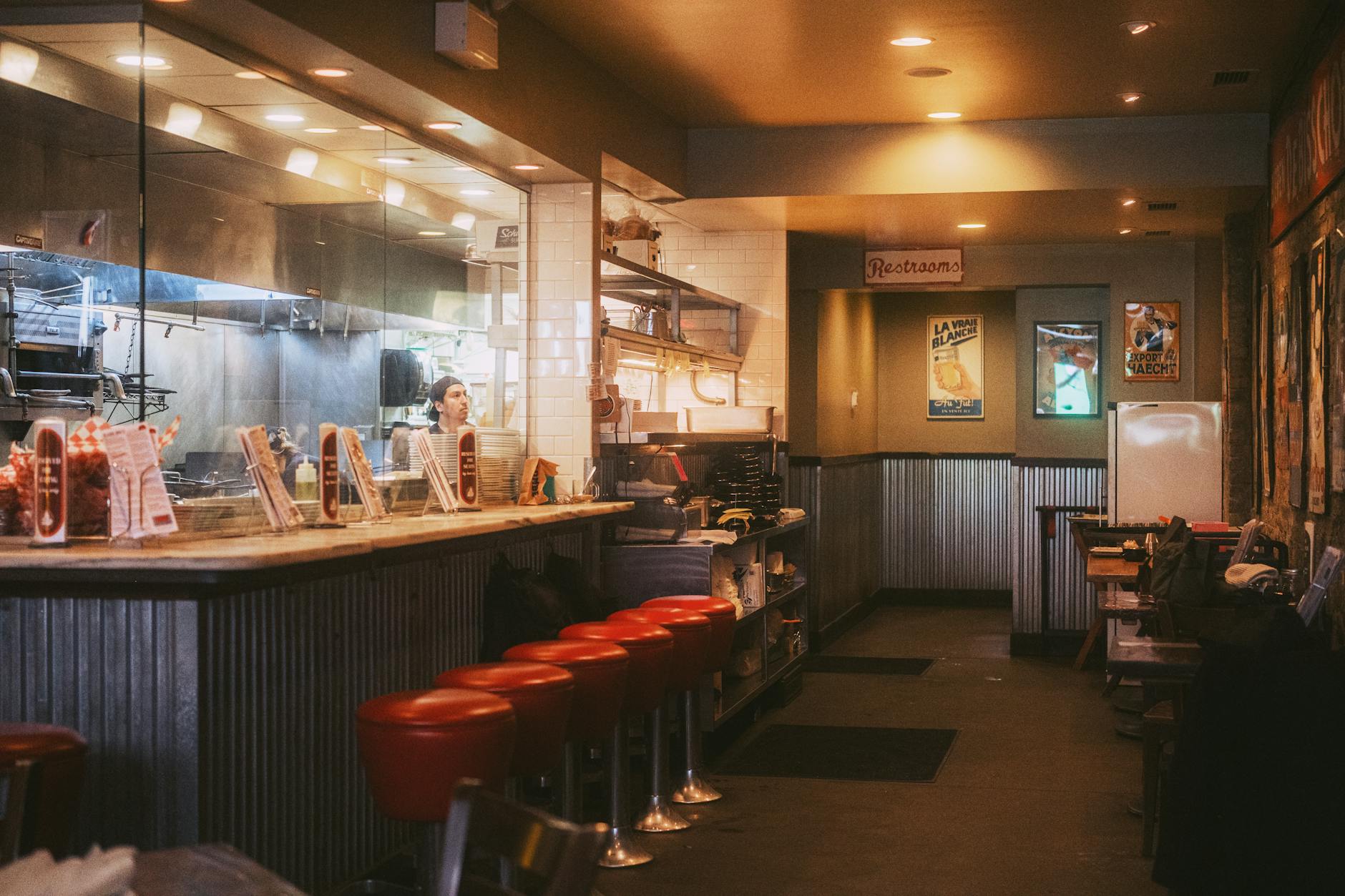
Within a few years, offering toothpicks at the end of a meal had become a standard expectation at American restaurants. The little dispenser by the door — that icon of the American diner — is a direct legacy of Forster's manufactured demand.
By the late 19th century, Maine was producing billions of toothpicks annually, and Strong, Maine had become the self-proclaimed toothpick capital of the world. The object that had once been gilded and gem-encrusted was now being made by the ton and given away for free.
From Luxury to Afterthought
The toothpick's journey from royal accessory to diner freebie is, in miniature, the story of American mass production. Take something rare, figure out how to make it at scale, flood the market, and watch the perceived value collapse entirely.
It happened with silk, with spices, with countless goods that were once precious and became ordinary. The toothpick just did it faster and more completely than almost anything else. Within about 30 years of Forster's Maine operation getting up to speed, the object had shed every trace of its aristocratic past.
Today, the toothpick barely registers as an object at all. It's background furniture at restaurants — the thing you grab without thinking, use for thirty seconds, and toss. Its presence in a diner says nothing about the establishment's quality. It's expected, invisible, and free.
Somewhere, a Renaissance nobleman is turning in his grave — gold toothpick and all.