The Holiday Bird That Hijacked Thanksgiving Through Magazine Ads and Government Propaganda
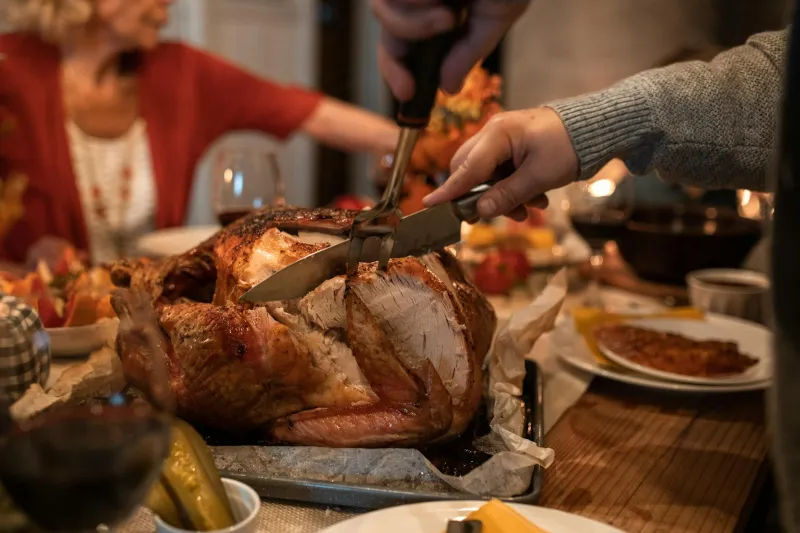
The Most Successful Food Marketing Campaign in American History
Every November, 88% of American families sit down to eat turkey on Thanksgiving, participating in what feels like the country's most ancient and sacred food tradition. Ask anyone why, and they'll mention Pilgrims, Plymouth Rock, and that first harvest feast in 1621. It's such a fundamental part of American identity that questioning it feels almost unpatriotic.
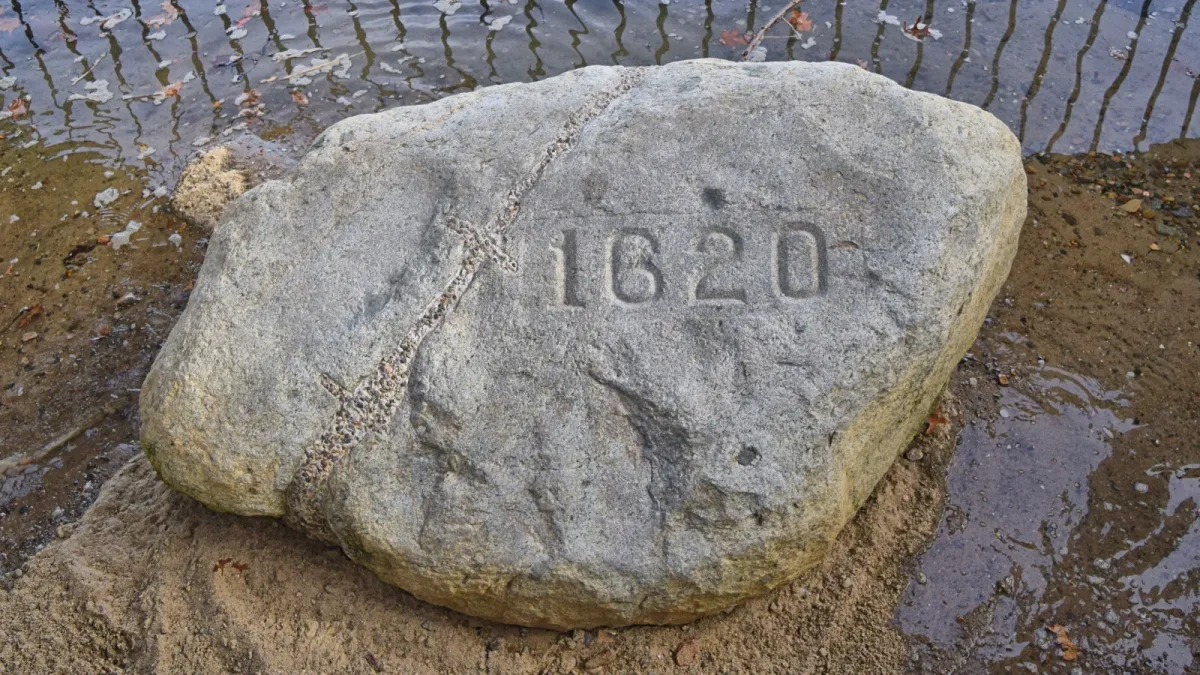 Photo: Plymouth Rock, via www.grunge.com
But here's the uncomfortable truth: the turkey-Thanksgiving connection is largely a modern invention, crafted by magazine publishers, government bureaucrats, and corporate marketers over the past 200 years. The Pilgrims ate turkey sometimes, but they also ate deer, duck, fish, and whatever else they could catch. Turkey wasn't special — it was just another protein source in a desperate struggle for survival.
The story of how turkey became America's unofficial national bird is really the story of how modern media and marketing can create "ancient" traditions that feel more real than actual history.
The Magazine Editor Who Invented American Thanksgiving
The turkey tradition begins with Sarah Josepha Hale, editor of Godey's Lady's Book, the most influential women's magazine in 19th-century America. Starting in 1827, Hale began a decades-long campaign to establish Thanksgiving as a national holiday, writing editorials, lobbying politicians, and publishing endless articles about proper Thanksgiving celebrations.
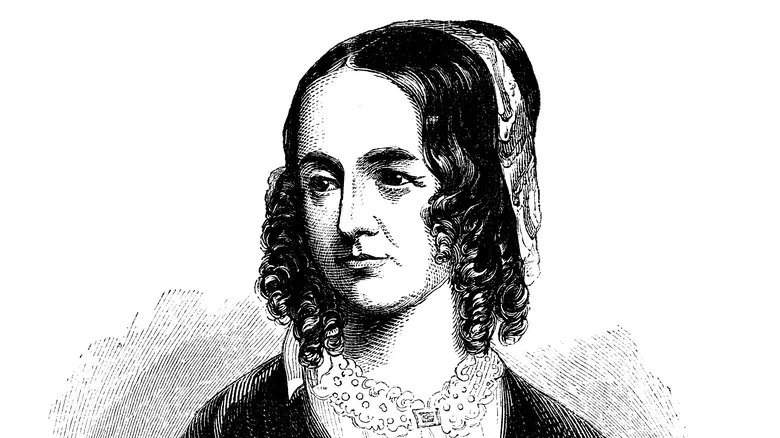 Photo: Sarah Josepha Hale, via www.grunge.com
Hale didn't just want a holiday — she wanted to define exactly how Americans should celebrate it. Her magazine featured detailed menus, decorating tips, and family activities that would create the "perfect" Thanksgiving. And in nearly every menu she published, turkey was the centerpiece.
Why turkey? Hale was a savvy media entrepreneur who understood that successful magazines needed to create aspirational content. Turkey was expensive enough to feel special, large enough to feed a big family, and American enough to distinguish the holiday from European traditions. It was also practical — turkeys were widely available, stored well without refrigeration, and provided enough meat for multiple meals.
Hale's campaign worked so well that when President Lincoln finally proclaimed Thanksgiving a national holiday in 1863, he was essentially endorsing her vision wholesale. Americans across the country began celebrating Thanksgiving the way Godey's Lady's Book told them to — with turkey as the mandatory main course.
When World War Changed Everything
The turkey tradition might have remained a middle-class affectation if not for two world wars that fundamentally altered American eating habits. During World War I, the government launched massive campaigns encouraging citizens to conserve beef and pork for the troops overseas. Turkey, previously considered a luxury item, was repositioned as a patriotic alternative.
Government propaganda posters urged families to "save the beef for our boys" and featured turkeys prominently in suggested meal plans. What had been a magazine editor's personal crusade became official government policy, backed by the full weight of wartime authority.
World War II accelerated the trend dramatically. Rationing made traditional proteins scarce and expensive, while government-subsidized turkey farming kept birds relatively affordable and available. The Office of Price Administration specifically encouraged turkey consumption through rationing policies that made it easier to obtain than other meats.
More importantly, wartime mobility broke down regional food traditions as millions of Americans moved for defense jobs or military service. Thanksgiving became one of the few shared cultural experiences in a rapidly changing country, and turkey was the government-endorsed centerpiece of that experience.
The Corporate Campaign That Sealed the Deal
The final phase of turkey's conquest began in the 1940s, when the National Turkey Federation launched one of the most successful corporate marketing campaigns in American history. The industry had a problem: turkey consumption was highly seasonal, with massive demand in November and almost none the rest of the year.
The solution was brilliant psychological manipulation. Instead of trying to sell turkey year-round, the industry doubled down on Thanksgiving, positioning turkey as not just traditional, but essential to proper American identity. Their marketing didn't focus on taste or nutrition — it focused on patriotism, family values, and cultural authenticity.
The campaign featured Norman Rockwell-style imagery of multi-generational families gathered around golden turkeys, with messaging that suggested anyone serving something else was somehow less American. The industry spent millions on advertising, lobbying, and promotional campaigns that made turkey seem like an inevitable part of Thanksgiving rather than a marketing choice.
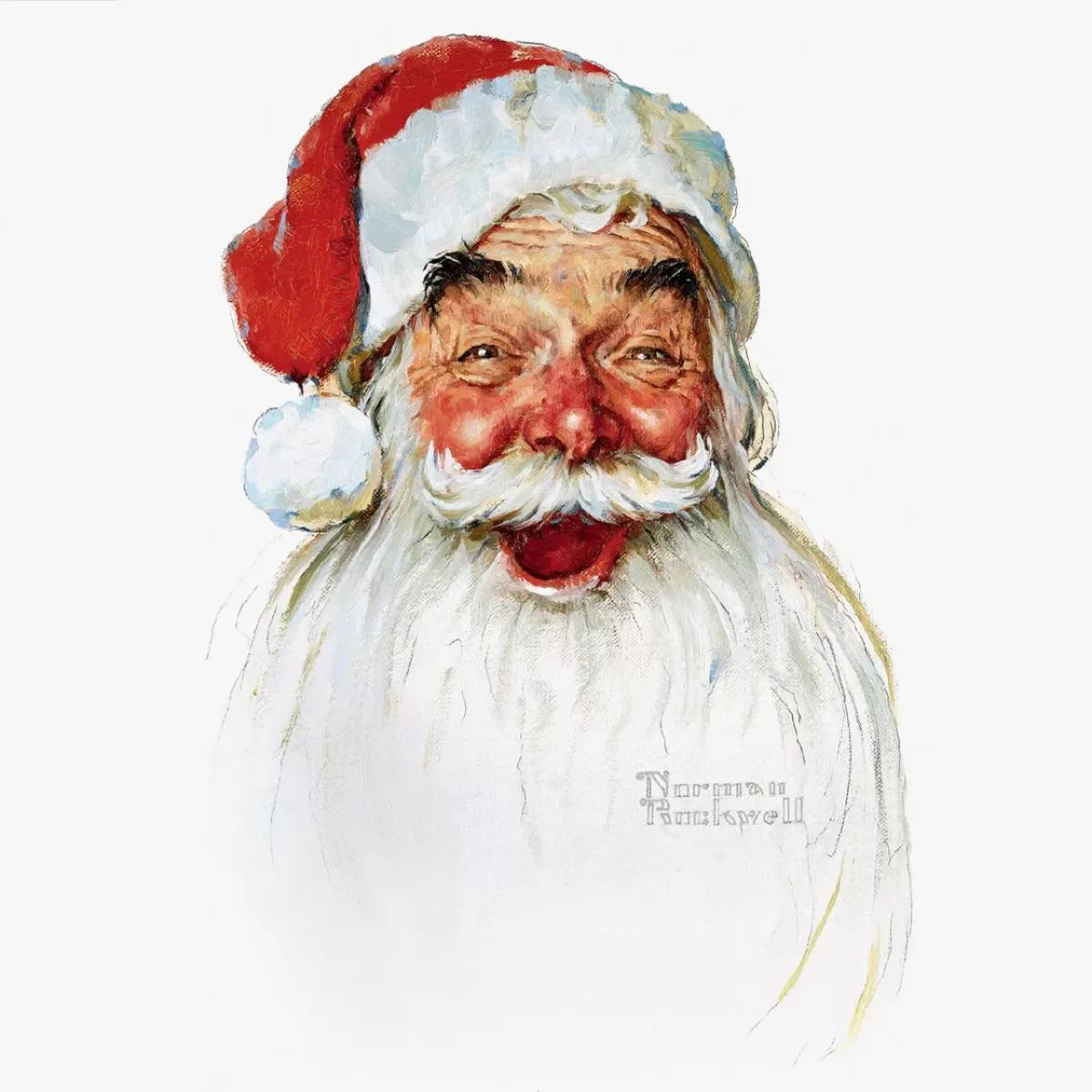 Photo: Norman Rockwell, via www.artchive.com
By the 1950s, the turkey industry had achieved something remarkable: they had made their product feel like a cultural obligation rather than a commercial transaction. Americans weren't buying turkey — they were preserving tradition.
The Pilgrim Myth That Justified Everything
As turkey became entrenched in American Thanksgiving celebrations, the origin story had to be retrofitted to justify the tradition. Enter the Pilgrim mythology that most Americans learned in elementary school: brave English settlers sharing a harvest feast with helpful Native Americans, with turkey as the centerpiece of cross-cultural friendship.
This story is largely fictional. The 1621 Plymouth feast probably included some turkey, but it definitely included deer (which the Wampanoag brought), waterfowl (which could have been ducks or geese), fish, and various vegetables. Turkey wasn't the main course — it was just one protein among many.
But the Pilgrim story served a crucial function: it provided historical justification for a modern marketing creation. Americans needed to believe their Thanksgiving traditions were ancient and meaningful, not the result of magazine campaigns and corporate lobbying.
Elementary school textbooks, holiday decorations, and popular culture all reinforced the turkey-Pilgrim connection, creating a feedback loop where marketing became mythology, and mythology became accepted history.
The Numbers That Tell the Real Story
Today's Thanksgiving turkey consumption reveals the true scale of this marketing triumph. Americans consume about 46 million turkeys every Thanksgiving — roughly 736 million pounds of meat in a single day. The economic impact exceeds $4 billion annually, supporting an entire industry built around one day's cultural performance.
More telling is what Americans don't eat on Thanksgiving. Despite being more historically accurate, venison is virtually absent from modern Thanksgiving tables. Duck, goose, and fish — all common in colonial America — are rare exceptions rather than traditional alternatives.
The turkey industry's victory was so complete that most Americans literally cannot imagine Thanksgiving without turkey. It's not just a preference — it's a cultural requirement that feels as fundamental as the holiday itself.
The Tradition That Isn't Traditional
The next time you're carving a Thanksgiving turkey, remember: you're not honoring Pilgrim tradition or preserving ancient American customs. You're participating in one of the most successful marketing campaigns in history, one so effective that it convinced an entire nation to adopt a corporate preference as cultural heritage.
This doesn't make Thanksgiving less meaningful — it just makes it more interesting. American traditions aren't handed down from ancient times; they're created by real people with real motivations, then mythologized into something that feels eternal. Sometimes the most powerful traditions are the ones that hide their own invention.
The turkey on your table isn't there because of Plymouth Rock. It's there because of magazine editors, government bureaucrats, and corporate marketers who understood something profound about American culture: we'll embrace any tradition, as long as we can pretend it's always been there.