From Wartime Rationing to Vegetable Bundles: The Secret Life of Rubber Bands
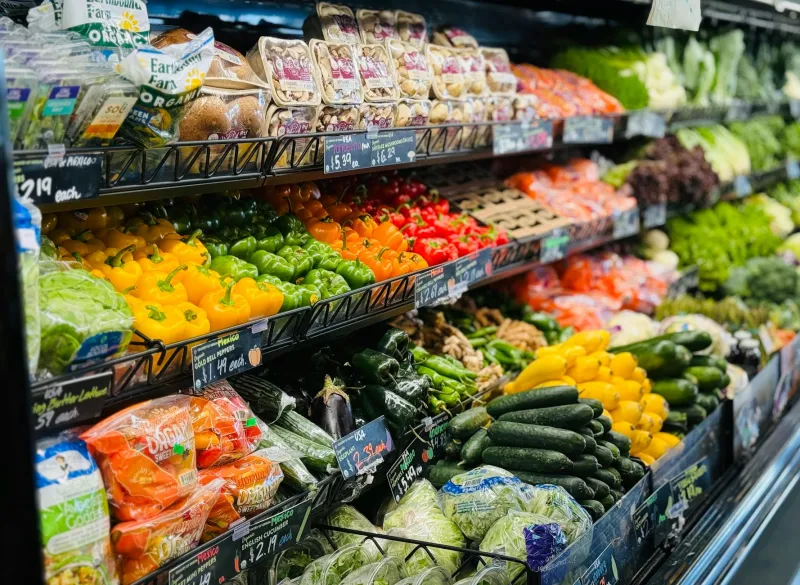
The Snap That Changed Everything
Every time you grab a bunch of broccoli at the supermarket, you're witnessing the end result of a 180-year journey that runs through British patent offices, World War II rubber shortages, and the complete transformation of how Americans shop for food. That simple rubber band — so mundane you probably don't even notice it — has a surprisingly complex political and economic history.
The story begins in 1845, when Stephen Perry received British Patent No. 19,717 for "improvements in the construction of elastic bands." Perry, working for a London rubber manufacturer called Messrs. Perry and Co., wasn't thinking about vegetables when he developed his stretchy loops. He was trying to solve a completely different problem: how to bundle papers and documents in an era before staples or paper clips.
 Photo: Stephen Perry, via www.remindmagazine.com
The American Adoption Problem
Perry's invention crossed the Atlantic quickly, but it took decades to find its footing in American industry. Early rubber bands were expensive to produce and had a frustrating tendency to snap in cold weather or melt in heat. American manufacturers struggled with the chemistry, often producing bands that would deteriorate within months.
The breakthrough came in the 1860s when Charles Goodyear's vulcanization process made rubber more stable and durable. Suddenly, rubber bands could survive temperature changes and last for years instead of weeks. American factories began mass-producing them for office use, but their biggest transformation was still decades away.
 Photo: Charles Goodyear, via www.tffn.net
When War Rationed Innovation
World War II completely upended the rubber band industry. The Japanese occupation of Southeast Asian rubber plantations created severe shortages, and the U.S. government imposed strict rationing on all rubber products. Rubber bands became a controlled commodity — businesses had to justify their need and prove they couldn't accomplish their tasks any other way.
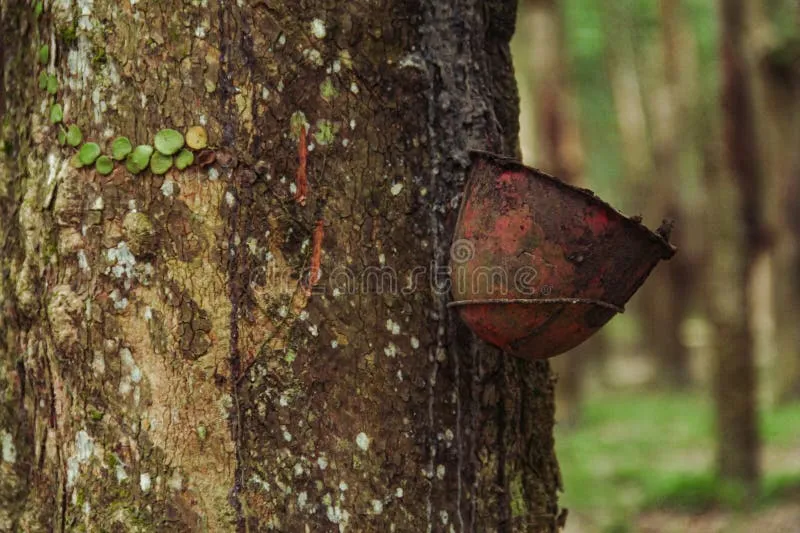 Photo: Southeast Asian rubber plantations, via thumbs.dreamstime.com
This scarcity forced American companies to get creative. Some offices switched to string and paper clips. Others hoarded pre-war rubber band supplies like precious metals. But the produce industry, which had just begun experimenting with rubber bands for bundling vegetables in the 1930s, faced a crisis.
The Synthetic Revolution
The war's end brought something unexpected: synthetic rubber technology developed during the conflict made rubber bands cheaper and more reliable than ever before. American chemical companies, having invested heavily in synthetic rubber for military purposes, needed peacetime markets for their new production capabilities.
Rubber bands became the perfect product. They required relatively small amounts of material, could be produced quickly, and had virtually unlimited potential applications. By the 1950s, American factories were churning out billions of rubber bands annually at prices that made them essentially disposable.
The Produce Revolution Nobody Noticed
This is where the story gets interesting for food culture. The post-war boom in suburban supermarkets created a new challenge: how to display and sell fresh vegetables efficiently. Traditional grocery stores had sold produce loose, with clerks weighing and bagging items for individual customers. But self-service supermarkets needed a way for customers to grab pre-portioned bundles quickly.
Rubber bands solved this problem perfectly. They could hold together bunches of asparagus, broccoli, or green onions without damaging the vegetables. They were colorful enough to create visual appeal. And they were so cheap that stores could treat them as a cost of doing business rather than charging customers separately.
The Color-Coded System
By the 1960s, produce managers had developed an informal color-coding system that most shoppers never consciously notice. Red bands often indicate premium or organic items. Green bands typically mark standard vegetables. Blue bands might designate sale items or bulk quantities. Yellow bands often appear on imported produce.
This wasn't centrally planned or regulated — it evolved organically as different suppliers and stores found ways to differentiate their products. But it became so standardized that produce workers can often identify a vegetable's source, price point, and quality level just by looking at its rubber band color.
The Global Perspective Problem
Here's where American rubber band culture gets weird from an international perspective. Most European and Asian grocery stores still sell vegetables loose, expecting customers to select individual pieces and have them weighed at checkout. The American system of pre-bundled, rubber-banded vegetables strikes many foreign visitors as wasteful and limiting.
European food critics often point to rubber-banded vegetables as evidence of Americans' preference for convenience over quality. Why would you want someone else to choose your broccoli stalks for you? How can you inspect vegetables properly when they're trapped in a rubber band bundle?
But American produce managers argue the system works because it speeds up shopping, reduces handling damage, and allows stores to move inventory more efficiently. The rubber bands enable the high-volume, self-service model that keeps American grocery prices competitive.
The Hidden Infrastructure
Today, the produce rubber band industry operates almost invisibly. Specialized companies manufacture billions of food-grade rubber bands annually, designed specifically for vegetable bundling. These aren't the same rubber bands you'd find in an office supply store — they're engineered to be safe for food contact, resist temperature changes during transport, and maintain elasticity under refrigeration.
Major produce distributors often have exclusive contracts with rubber band manufacturers, specifying exact colors, sizes, and tensile strengths for different vegetables. The logistics are surprisingly complex: asparagus needs different bands than broccoli, and organic vegetables often require special certification for their rubber bands.
The Enduring Snap
The next time you're in a supermarket, take a moment to notice the rubber bands. They're everywhere — holding together vegetables, bundling herbs, securing plastic bags. Each one represents a tiny piece of infrastructure that enables modern food retail.
That simple snap when you remove a rubber band from your vegetables connects you to a supply chain that spans continents, a history that includes world wars and industrial revolutions, and an innovation that transformed how Americans shop for food. It's a reminder that even the most mundane objects often have surprisingly complex stories — you just have to know where to look.