When Drinking Through Grass Made Perfect Sense — Until It Didn't
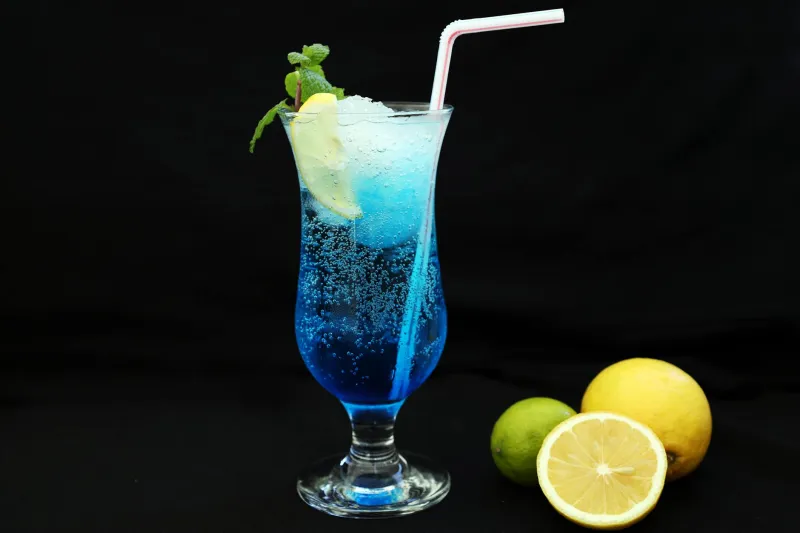
The Mint Julep Problem Nobody Talks About
Marvin Stone was having a drink problem in 1888, but not the kind you might think. The Washington D.C. inventor was tired of his mint julep tasting like a barnyard because the rye grass straws everyone used back then kept falling apart and flavoring his bourbon with eau de hay field.
 Photo: Washington D.C., via wallpapercave.com
 Photo: Marvin Stone, via d16popylva6m4q.cloudfront.net
So Stone did what any reasonable person would do: he wrapped paper around a pencil, glued it together, and created the first manufactured drinking straw. His January 3rd patent application described it as a "sanitary" solution to the "disagreeable taste" of natural grass straws that had been dissolving into drinks since ancient civilizations figured out that hollow reeds could move liquid from point A to point B.
From Sanitation Station to Mass Production
Stone's paper straw wasn't just about better-tasting cocktails. In the 1880s, sharing drinking vessels was still common practice, and anything that kept your lips off a communal cup was considered a public health victory. His invention caught on fast — by the 1890s, soda fountains across America were stocking paper straws as a mark of modern hygiene.
The real game-changer came in the 1930s when Joseph Friedman watched his daughter struggle to reach her milkshake at a soda counter. He inserted a screw into a paper straw, wrapped dental floss around the ridges, and created the first bendable straw. Suddenly, straws weren't just sanitary — they were convenient for anyone under five feet tall.
 Photo: Joseph Friedman, via yt3.googleusercontent.com
The Plastic Revolution Nobody Asked For
Plastic straws arrived in the 1960s, promising durability and mass production efficiency. Fast food chains embraced them because they were cheaper than paper, didn't get soggy, and could be manufactured by the billions. McDonald's alone was going through 60 million straws per day by the 1970s.
What nobody calculated was the math: Americans now use an estimated 500 million plastic straws daily. That's enough to circle the Earth 2.5 times if you laid them end to end. Every single day.
The Turtle That Changed Everything
The straw's reputation shift from hygiene hero to environmental villain happened almost overnight in 2015, when a video of researchers removing a plastic straw from a sea turtle's nose went viral. The eight-minute footage was brutal to watch and sparked immediate outrage about single-use plastics.
Suddenly, the humble straw became the poster child for everything wrong with modern consumption. Cities started banning them. Restaurants began asking "Is a straw okay?" like they were offering something vaguely shameful. Paper straws made a comeback, though anyone who's watched one disintegrate mid-drink knows we haven't quite solved the engineering problems Stone identified in 1888.
The Psychology of Sipping
Here's what's strange: we don't actually need straws for most drinks. Humans managed to consume liquids for thousands of years without them. But once straws became standard, drinking directly from a glass started feeling primitive, especially for cold drinks where condensation makes the outside slippery.
Behavioral psychologists point out that straws also create a different drinking experience — they slow down consumption, concentrate flavors, and give our hands something to fidget with. The straw essentially became a dining ritual we didn't know we were adopting.
The Modern Straw Wars
Today's straw landscape is bizarre. You can buy metal straws that require their own cleaning brushes, bamboo straws that taste like bamboo, and paper straws engineered to last exactly long enough to finish a drink before turning to mush. Some places offer no straws at all, leading to the surreal experience of adults learning to drink iced coffee without spilling it down their shirts.
The irony isn't lost on anyone: Marvin Stone's 1888 innovation was supposed to make drinking more civilized. Now we're back to debating the basic mechanics of getting liquid from a cup to our mouths, except this time the stakes involve polar ice caps and marine life.
What Stone Would Think
If Marvin Stone could see his paper straw patent today, he'd probably be amazed that something so simple became so complicated. His goal was solving a basic problem: making drinks taste better and keeping people healthier. The fact that his solution eventually became an environmental crisis would likely baffle the man who just wanted his mint julep to stop tasting like grass.
The drinking straw's journey from sanitary innovation to cultural flashpoint proves that even the most innocent inventions can have consequences nobody sees coming. Sometimes the thing designed to make life better ends up making everything more complicated — one sip at a time.