Your Wedding Cake Is a Sugar Flex From 1840 — And You're Still Paying For It
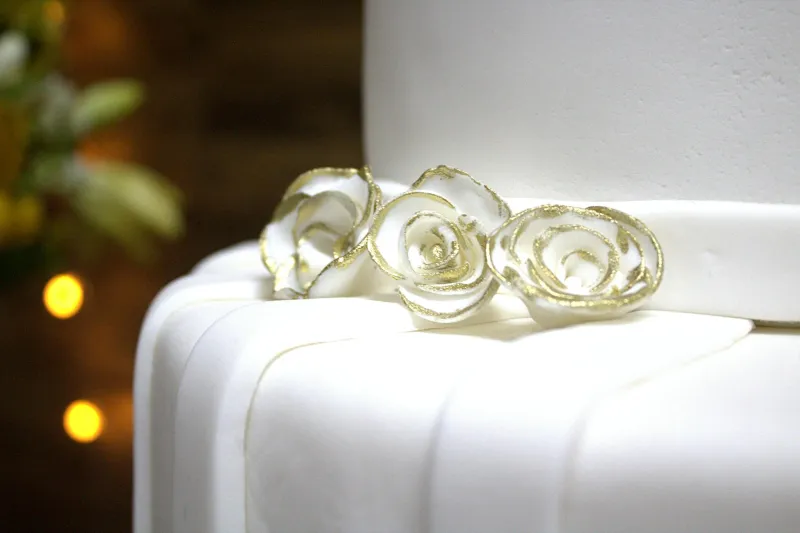
The Cake That Costs More Than Your Car Payment
Scroll through any wedding planning forum and you'll find the same shocked posts: "$800 for a cake?!" "Why does wedding cake cost more per slice than dinner?" "Is buttercream really worth a mortgage payment?"
What these bewildered couples don't realize is that they're not just buying dessert. They're participating in a 180-year-old wealth display that has nothing to do with love and everything to do with showing off the most expensive ingredient in human history.
That pristine white wedding cake sitting on your Pinterest board? It's edible aristocracy, and you're about to pay aristocrat prices for it.
When Sugar Was Literally Worth Its Weight in Silver
In 1840, when Queen Victoria married Prince Albert, refined white sugar cost more than most people's annual wages. Raw brown sugar was expensive enough, but the process of refining it into brilliant white crystals was so labor-intensive and wasteful that only the wealthy could afford it.
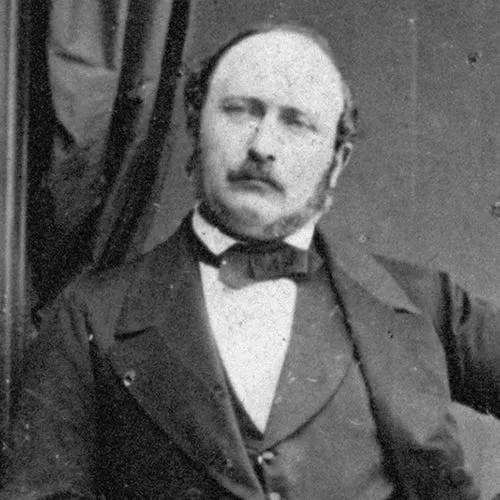 Photo: Prince Albert, via hips.hearstapps.com
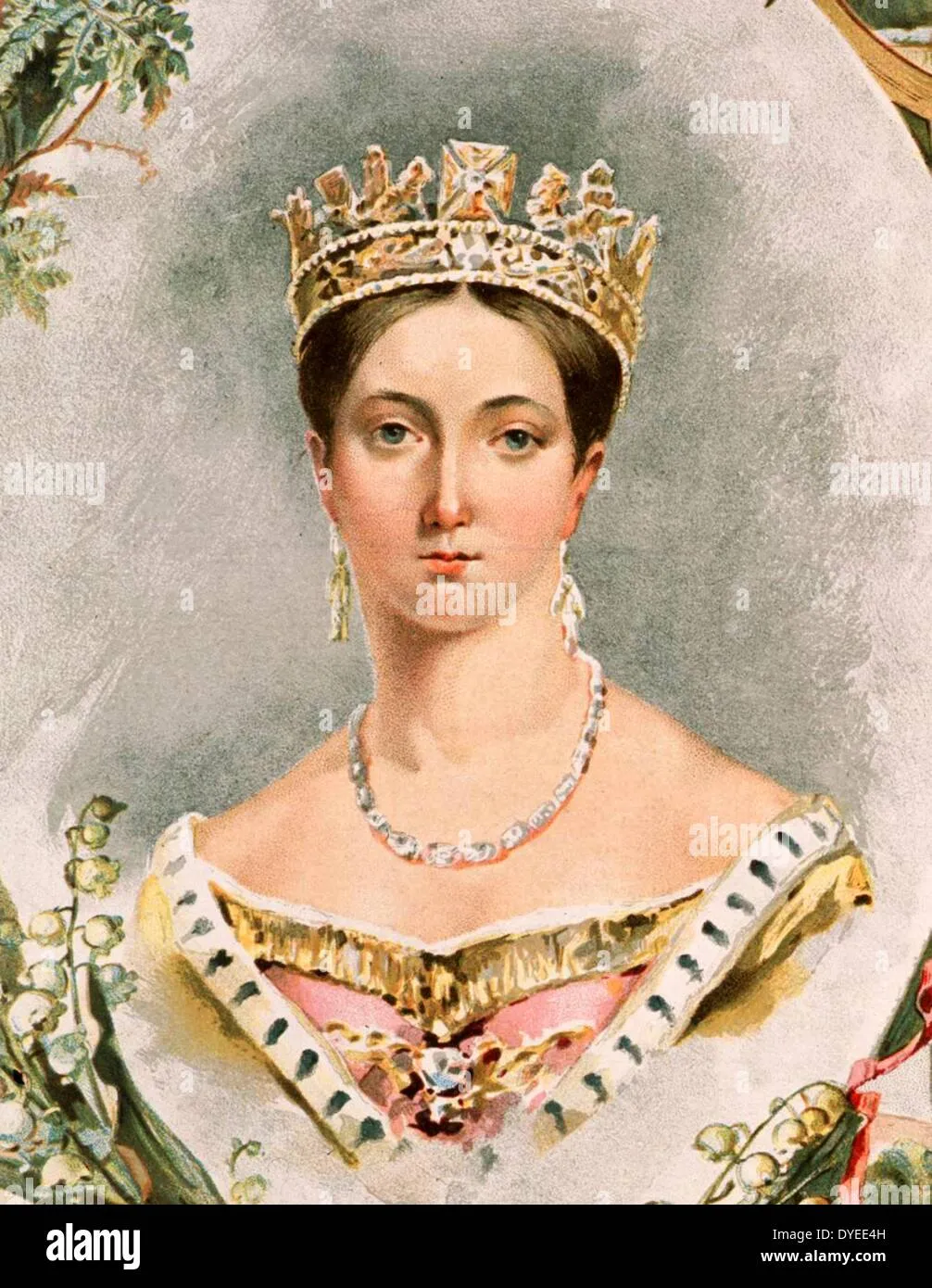 Photo: Queen Victoria, via c8.alamy.com
A truly white cake — not cream-colored, not off-white, but blindingly, artificially white — required pounds of this precious ingredient. The whiter the cake, the richer the family. It was a edible status symbol as obvious as wearing diamonds to breakfast.
Victoria's wedding cake, a massive white confection that required its own table, wasn't just dessert. It was a three-dimensional announcement of royal wealth that every newspaper in America described in breathless detail.
How America Caught Sugar Fever
American society women read those newspaper accounts and immediately understood the assignment. If British royalty was serving white cake, American high society would serve whiter cake. The competition was on.
By the 1850s, wealthy American families were commissioning increasingly elaborate white wedding cakes, each one trying to out-white the last. Professional bakers began advertising their ability to achieve "perfect whiteness" in their confections, and society pages devoted entire paragraphs to describing the "dazzling purity" of wedding cake displays.
The trend trickled down through American society in predictable ways. Middle-class families saved for months to afford a properly white wedding cake. Working families made do with simpler cakes but still attempted some white decorative elements. The cake became a measuring stick of social aspiration.
The Instagram Effect, 1890s Style
Long before social media, wedding cakes served the same function as today's Instagram posts: public proof of your family's financial success. Newspaper society pages described wedding cakes in the same detail they devoted to the bride's dress and the guest list.
A properly white cake required not just expensive sugar, but skilled labor, precise techniques, and often multiple attempts to achieve the desired effect. Bakers charged accordingly, and families paid willingly because the cake would be seen, discussed, and remembered by everyone who mattered in their social circle.
The cake-cutting ceremony became a formal moment precisely because it was the climactic reveal of the family's investment. Guests gathered around not just to wish the couple well, but to admire and evaluate the expensive display.
When Technology Killed the Flex (But Not the Tradition)
By the early 1900s, industrial sugar processing had made white sugar affordable for ordinary families. The ingredient that once cost a fortune now sat in every kitchen pantry. The original reason for white wedding cakes — displaying wealth through expensive ingredients — had completely disappeared.
But the tradition stuck around, divorced from its original meaning. Generations of American families continued serving white wedding cakes because that's what wedding cakes were supposed to look like, not because anyone remembered why.
The cake industry adapted by finding new ways to justify premium prices. Instead of expensive ingredients, they emphasized skilled decoration, architectural complexity, and custom design. The cost stayed high even as the original rationale vanished.
The Modern Sugar Trap
Today's couples spend an average of $500-$1,000 on wedding cakes, often representing 3-5% of their total wedding budget. They're paying designer prices for what is essentially flour, sugar, and eggs — ingredients that would cost about $20 at the grocery store.
The wedding cake industry has successfully maintained Victorian-era pricing for a Depression-era ingredient, and most couples never question it. They assume wedding cakes are expensive because they're "special," not because they're unconsciously recreating a 19th-century wealth display.
Social media has only intensified the pressure. Instagram wedding hashtags are filled with elaborate cake photos that would make Victorian society matrons proud. The platforms have changed, but the competitive display remains exactly the same.
Breaking the Cake Cycle
Some modern couples are starting to question the white wedding cake tradition, opting for dessert bars, cupcake towers, or non-traditional alternatives. But most still feel the pull of the classic white tiered cake, even if they can't quite explain why it feels "right."
The next time you find yourself budgeting a car payment for wedding cake, remember: you're not paying for dessert. You're paying for a sugar flex that Queen Victoria started, American society women perfected, and the modern wedding industry has kept alive long past its expiration date.
That white cake isn't timeless tradition — it's expensive historical reenactment.