Before the Pilgrims Landed, Black Pepper Was Already Making Boston Rich
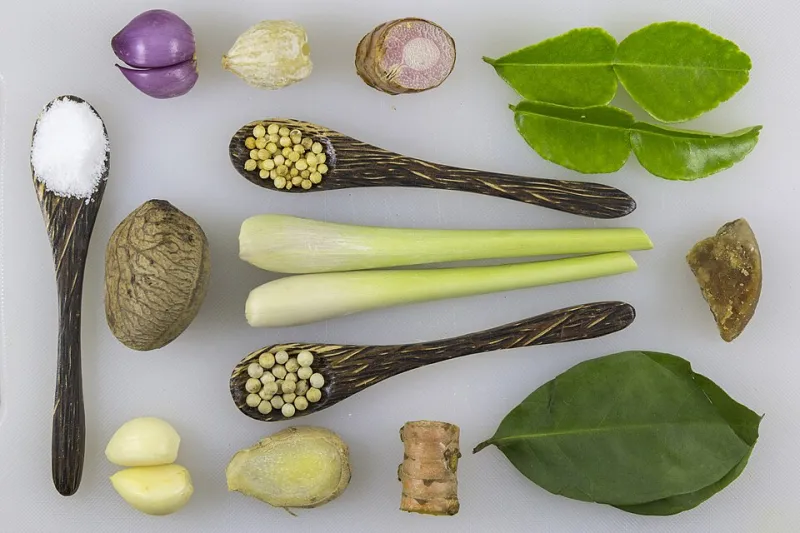
Photo: Herusutimbul, CC BY-SA 4.0, via Wikimedia Commons
Grab your pepper grinder. Give it a turn or two over whatever you're cooking tonight. Notice how automatic that motion is — how unremarkable. Black pepper is so thoroughly embedded in American cooking that it barely registers as an ingredient anymore. It's just there, on every table, next to the salt, taken completely for granted.
Which makes it almost impossible to believe that this same spice once funded the earliest chapters of American commercial history, built the first great merchant fortunes of New England, and was traded with the kind of careful, locked-away reverence that we now reserve for gold reserves and fine wine collections. The story of black pepper in America is one of the most consequential economic stories you've probably never heard.
A Spice Worth More Than You Can Imagine
To understand why pepper mattered so much, you have to reset your sense of what spices meant before refrigeration, before global shipping logistics, before the modern food supply existed at all.
In medieval Europe, black pepper was a currency. Literally. Rents were paid in peppercorns. Ransoms were settled in peppercorns. When the Visigoths sacked Rome in 408 AD, their ransom demand included three thousand pounds of pepper. It wasn't symbolic — pepper was genuinely that valuable, because it did something almost magical: it masked the flavor of meat that was turning, preserved food in conditions where preservation was otherwise impossible, and added a depth of flavor to a diet that was otherwise brutally monotonous.
The spice came from the Malabar Coast of India and the islands of the Indonesian archipelago — places so remote from Europe that the trade routes connecting them were among the most fiercely contested corridors in the world. Portugal, Spain, the Netherlands, and England all built colonial empires substantially in the name of controlling spice access. Wars were fought. Islands were seized. Entire indigenous populations were displaced. All for a berry that now costs $4 at the grocery store.
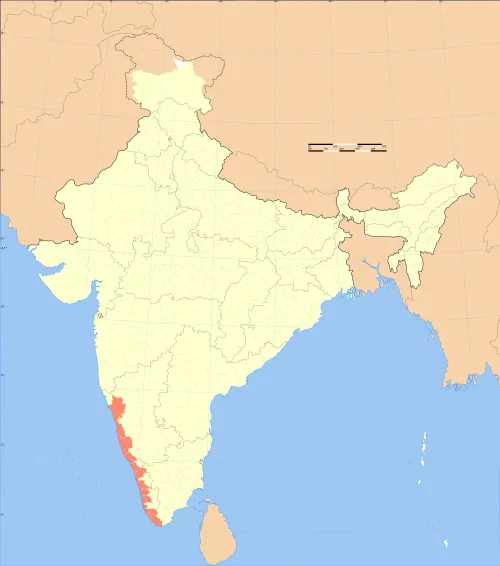 Photo: Malabar Coast, via upload.wikimedia.org
How Boston Got Into the Game
By the time American merchants entered the pepper trade in the late 1700s, the commodity had already reshaped the world twice over. But the market was still enormous, and there was real money to be made for anyone willing to make the voyage.
The story of American pepper trading centers on Salem, Massachusetts — a port town about twenty miles north of Boston — and on a particular ship captain named Jonathan Carnes. In 1788, Carnes made a voyage to Sumatra and returned with a load of black pepper purchased directly from local producers, cutting out the Dutch and British middlemen who had controlled the trade for decades. His profit margin was reportedly somewhere around 700 percent.
 Photo: Jonathan Carnes, via yt3.googleusercontent.com
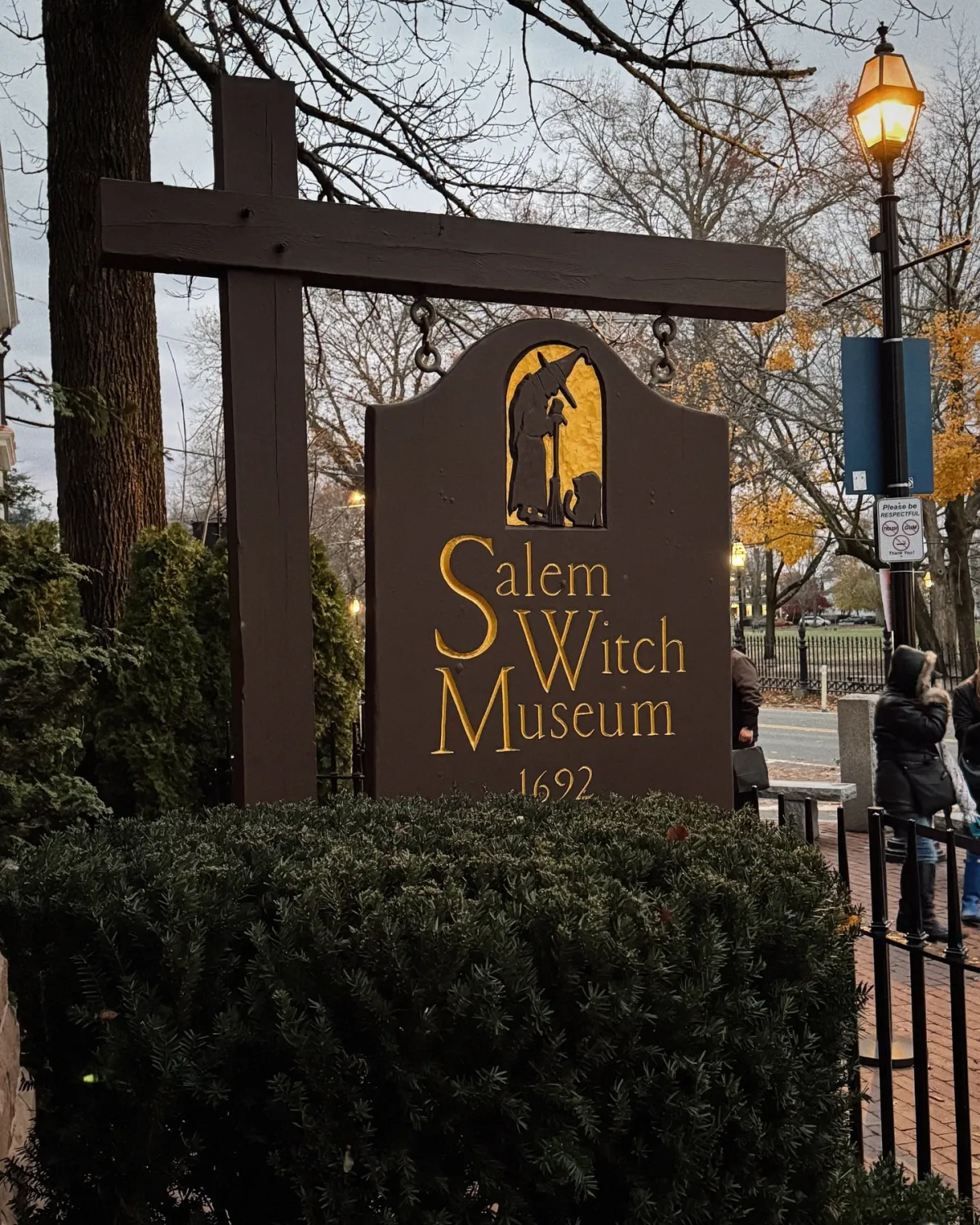 Photo: Salem, Massachusetts, via salemhauntedadventures.com
Carnes kept his source secret for years, guarding the trade route the way a chef guards a recipe. But eventually others figured it out, and through the 1790s and early 1800s, Salem became the pepper capital of the United States. Ships left Massachusetts with iron, textiles, and rum, and came back loaded with pepper that was then sold to merchants in Boston, New York, and Philadelphia — and re-exported to Europe at significant markup.
At its peak, Salem merchants controlled a substantial share of the global pepper trade. The city's custom house collected so much revenue from pepper imports that it reportedly contributed meaningfully to the entire federal budget of the young United States government. A single successful voyage could make a merchant family wealthy for generations.
Pepper in the Counting House
What's striking about this period is how pepper was treated — not as a food ingredient, but as a financial instrument. Merchants didn't talk about pepper the way we talk about spices. They talked about it the way we talk about commodities futures. It was stored in locked warehouses. It was listed in estate inventories alongside real estate and silver. It was weighed, graded, and traded with the precision of a banking transaction.
The men who built the great Federal-style mansions of Salem and the merchant houses of Boston's waterfront district were, in many cases, pepper traders. The wealth that funded early American cultural institutions — libraries, hospitals, the early universities — had a direct line back to Indonesian pepper plantations and the audacious voyages of New England sea captains who were willing to spend eighteen months at sea for the right cargo.
This is the part of the story that tends to get lost. American history loves its founding myths — the Pilgrims, the Revolution, the frontier. The commercial reality of what actually built the early American economy is messier and more global, and it smells, faintly, of pepper.
The Slow Fall From Grace
By the mid-1800s, the pepper trade had shifted. Improved shipping, broader competition, and the opening of new trade routes gradually pushed prices down. Pepper was no longer the exclusive province of wealthy merchants — it was becoming a mass commodity, available to ordinary households for the first time in history.
American food culture absorbed it completely. By the time the industrial food era arrived in the late 1800s, black pepper was a kitchen staple from Maine to California. It showed up in cookbooks, in restaurant kitchens, on the counters of diners and lunch stands. The McCormick spice company, founded in Baltimore in 1889, helped standardize and democratize the spice trade in ways that would have been unimaginable to a Salem merchant captain a century earlier.
The Spice That Forgot Its Own Story
Today, the United States is one of the largest consumers of black pepper in the world. It's in everything — restaurant seasoning blends, packaged snacks, cured meats, salad dressings, hot sauces. It sits on virtually every American table as a permanent fixture, so familiar it's invisible.
And that invisibility is the final irony. The spice that funded New England's first merchant class, that sent ships halfway around the world, that was once stored under lock and key in counting houses along the Boston waterfront — it's now the thing you barely notice when you reach for it.
Give that grinder another turn. You've earned the context.