When a Chef Got Mad and Changed America Forever — The Petty Kitchen Moment That Created the Potato Chip
The Customer Who Wouldn't Quit Complaining
Summer of 1853. Moon's Lake House in Saratoga Springs, New York. George Crum, the head chef, was having one of those days. The kind where everything that could go wrong in a kitchen does go wrong — and then a customer makes it worse.
 Photo: George Crum, via m-strana.ru
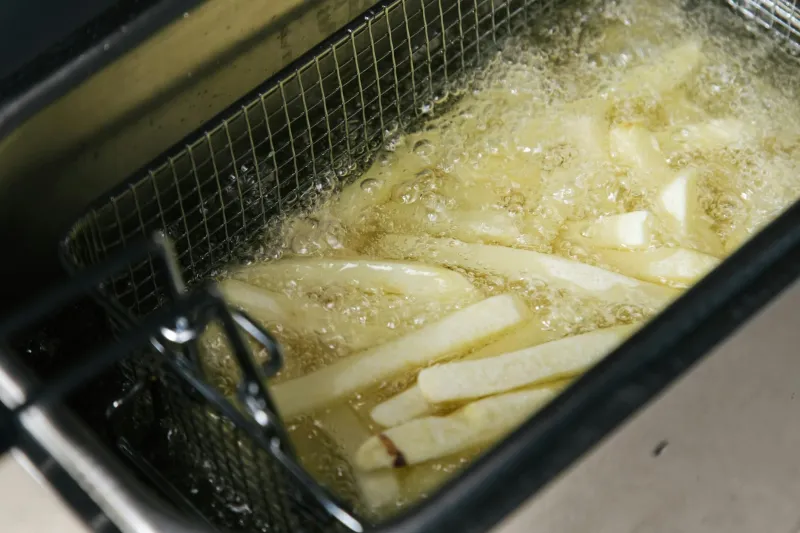
The customer in question was Commodore Cornelius Vanderbilt, though some historians dispute this detail. What's not disputed is that someone at table seven kept sending back their French fries. Too thick. Not crispy enough. Send them back again.
Crum had been dealing with picky eaters all his career, but this particular complaint pushed him over the edge. If the customer wanted thin potatoes, Crum would give him thin potatoes. Revenge-level thin.
The Spite Slice That Started Everything
Crum grabbed his sharpest knife and sliced the potatoes as thin as humanly possible. Paper-thin. So thin you could practically see through them. Then he dropped them into the hottest oil he could manage and fried them until they were golden, crispy, and impossible to eat with a fork.
The plan was simple: serve something so ridiculous that the complaining customer would finally shut up and eat what he was given. Instead, something unexpected happened.
The customer loved them.
Not only did he love them, but word spread throughout the dining room. Other guests started requesting the "Saratoga Chips" — named after the town where they were born from pure culinary spite.
From Kitchen Accident to Regional Obsession
What started as a one-time act of kitchen revenge quickly became Moon's Lake House signature item. Guests would travel to Saratoga Springs specifically to try these impossibly thin, salty, crispy potato slices that no one had ever tasted before.
Crum eventually opened his own restaurant, Crum's House, where Saratoga Chips were the star attraction. He served them in paper cones, warm and fresh from the fryer, to customers who included some of the wealthiest families in America.
For nearly 50 years, these chips remained a regional specialty — something you could only get in upstate New York. They were too delicate to ship, too time-consuming to mass produce, and frankly, most people outside of Saratoga Springs had never heard of them.
The Businessman Who Saw Dollar Signs
Everything changed in the 1920s when Herman Lay, a traveling salesman from the South, tasted his first potato chip. Lay wasn't a chef — he was a businessman who understood distribution. He saw what Crum had created and recognized its potential beyond fancy resort dining.
Lay started small, making chips in the back of his car and selling them to grocery stores throughout the Southeast. But he solved the problem that had kept chips regional for decades: packaging. By developing better storage methods and distribution networks, Lay turned Crum's spite-born creation into something that could sit on a shelf anywhere in America.
How Revenge Became a $40 Billion Industry
Today, Americans consume about 4 billion pounds of potato chips every year. That's roughly 12 pounds per person, annually. The snack food industry that George Crum accidentally founded when he got fed up with a complaining customer is now worth more than $40 billion.
Frito-Lay alone — the company built on Herman Lay's expansion of Crum's idea — controls about 60% of the American snack chip market. Every time someone reaches for a bag of chips at a gas station, grocery store, or vending machine, they're participating in an economic ecosystem that started with one chef's bad day in 1853.
The Accidental Democracy of Snacking
What makes the potato chip story particularly American is how it transformed from exclusive to universal. Crum's original Saratoga Chips were luxury items served to wealthy resort guests. Today, potato chips are one of the most democratic foods in America — available everywhere, affordable to almost everyone, and consumed across every demographic.
The chip aisle at any American grocery store now contains hundreds of varieties that all trace back to that moment of kitchen frustration in upstate New York. Barbecue, sour cream and onion, jalapeño, kettle-cooked, baked, organic — all variations on Crum's theme of making potatoes as thin and crispy as possible.
When Bad Service Creates Good Business
The next time you're dealing with a difficult customer or having a frustrating day at work, remember George Crum. His moment of culinary passive-aggression didn't just solve an immediate problem — it accidentally launched an entire industry.
Sometimes the best innovations come not from careful planning or market research, but from someone getting annoyed enough to try something completely different. Crum's revenge created more than just a snack; it created a piece of American culture that connects late-night study sessions, movie theaters, and backyard barbecues across the country.
All because one chef decided that if a customer wanted to complain about thick fries, he'd give them something really worth talking about.