The Rolling Restaurant That Saved America's Night Shift — How Lunch Wagons Became Diners
When Decent Restaurants Closed at Sunset
Picture America in 1872. If you worked the night shift at a textile mill, newspaper, or factory, you had a problem that most people never considered: where do you eat when your workday ends at 2 AM?
Respectable restaurants closed by 8 PM. Taverns served alcohol but not much food. Boarding houses had set meal times that didn't accommodate workers who got off shift when everyone else was asleep. For thousands of Americans working unconventional hours, finding a hot meal after dark was nearly impossible.
This wasn't an oversight — it was intentional. Night shift workers were often immigrants, laborers, or people working jobs that "proper" society preferred not to acknowledge. Restaurants that catered to middle-class daytime customers didn't want the reputation that came with serving factory workers at midnight.
The Lunch Wagon That Started It All
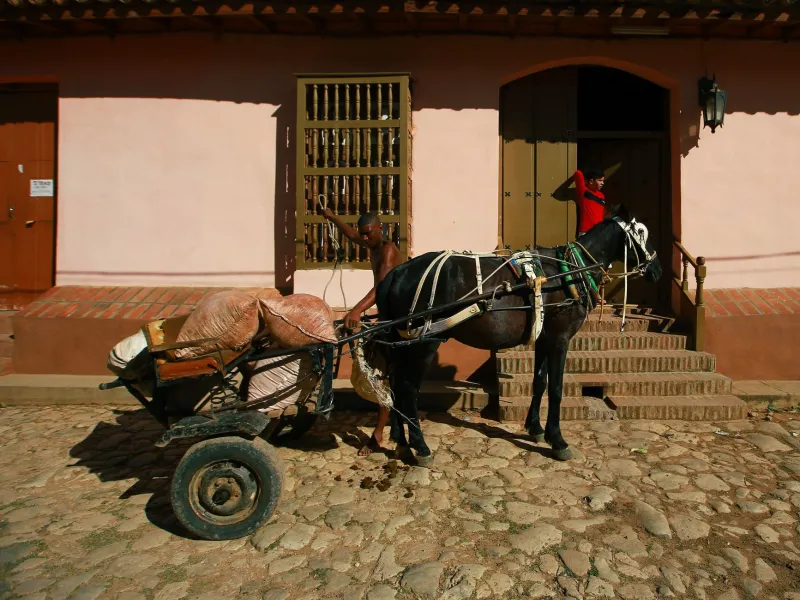
Walter Scott saw this gap and decided to fill it. In 1872, he converted a horse-drawn freight wagon into a mobile kitchen and started parking it outside the Providence Journal newspaper office in Rhode Island every night at 11 PM.
 Photo: Rhode Island, via i.pinimg.com
 Photo: Providence Journal, via www.13octobre.fr
 Photo: Walter Scott, via static.whatsapp.net
Scott's wagon was basically a kitchen on wheels — a wood-burning stove, some prep space, and storage for ingredients. He served simple, hot food: sandwiches, coffee, pie, hard-boiled eggs. Nothing fancy, but it was hot, available when people needed it, and priced for working-class budgets.
The newspaper workers loved it. Word spread to other night shift workers around Providence. Soon Scott had a regular customer base of people who finally had somewhere to grab a decent meal after their late shifts ended.
Rolling Restaurants Multiply Across Industrial America
Scott's success inspired imitators. By the 1890s, lunch wagons were operating in every major industrial city in America. They followed a similar pattern: park outside factories, mills, and newspaper offices when the night shifts ended, serve simple hot food to workers who had nowhere else to go.
The wagons evolved quickly. Operators added more cooking equipment, expanded their menus, and developed regular routes. Some wagons became elaborate mobile restaurants with multiple cooks and extensive menus. Others stayed simple — one person serving coffee and sandwiches from a converted cart.
What they all shared was their customer base: people working jobs and hours that mainstream restaurants ignored. Night shift factory workers, newspaper typesetters, police officers, firefighters, and anyone else whose work schedule didn't align with conventional meal times.
From Wheels to Foundations
The transition from mobile lunch wagons to stationary diners happened gradually, driven by practical concerns. Horse-drawn wagons required daily setup and breakdown. They were limited by weather, street conditions, and local regulations about where mobile vendors could operate.
Some wagon operators started leaving their carts in the same spot every night rather than moving them. Others built simple wooden structures around their wagons to provide shelter and more space. By the early 1900s, many "lunch wagons" were actually small permanent buildings designed to look like railroad dining cars.
This railroad car aesthetic wasn't accidental. Train dining cars represented efficient, compact food service — exactly what former lunch wagon operators needed when they went stationary. The long, narrow layout maximized counter space while minimizing square footage, keeping overhead costs low enough to serve working-class customers.
The Architecture of Democratic Eating
As lunch wagons evolved into diners, their design reflected their democratic origins. The counter seating that became a diner signature wasn't about aesthetics — it was about efficiency and equality. Everyone sat at the same counter, ate the same food, and paid the same prices regardless of their job or social status.
The open kitchen design meant customers could see their food being prepared, which built trust in establishments that served people who often faced discrimination elsewhere. The simple menus featured comfort food at affordable prices: meatloaf, hamburgers, pie, coffee that was always fresh because the customer turnover was constant.
Diner architecture also reflected the 24-hour nature of the business. Large windows and bright interior lighting made them visible from the street at any hour. The chrome and stainless steel that became diner hallmarks weren't just stylistic choices — they were practical materials that could be cleaned quickly and efficiently between the constant shifts of workers.
How Night Shift Necessity Became American Nostalgia
The transformation of diners from working-class necessity to cultural icon happened gradually through the mid-20th century. As more Americans worked standard daytime hours and had disposable income, diners attracted customers beyond their original night shift base.
Hollywood romanticized the diner as a symbol of authentic American life. Movies and TV shows portrayed them as places where honest working people gathered, where everyone was welcome, and where the coffee was always hot. This nostalgic version glossed over the reality that diners existed because mainstream restaurants excluded the workers who needed them most.
By the 1980s, many diners had moved upmarket, serving brunch to suburban families and becoming tourist destinations rather than working-class necessities. The original function — feeding people who worked when everyone else slept — became secondary to their role as symbols of a simpler, more egalitarian America.
The Night Shift Legacy
Today's 24-hour diners still serve their original purpose, even if most people don't realize it. Drive past any classic diner at 3 AM and you'll likely see the descendants of Walter Scott's original customers: hospital workers getting off late shifts, police officers on meal breaks, truck drivers passing through town, and night shift workers who still need somewhere to eat when the rest of the world is closed.
The diner's contribution to American food culture goes beyond nostalgia or chrome aesthetics. It established the principle that everyone deserves access to hot, affordable food regardless of when they work or how much money they make. It proved that restaurants could be both profitable and egalitarian, serving anyone who walked through the door without judgment about their job or social status.
From Exclusion to Institution
The evolution from lunch wagon to diner represents a uniquely American story: taking something born from exclusion and turning it into an institution. Night shift workers were denied service by respectable restaurants, so they created their own food culture. That culture became so successful that it eventually influenced how all Americans eat.
Every time you sit at a diner counter, order coffee and pie at midnight, or grab a quick meal at a 24-hour restaurant, you're participating in a food tradition that started with horse-drawn wagons serving the workers that nobody else would feed.
The humble lunch wagon didn't just solve a practical problem — it created a more democratic vision of American dining that's still rolling today.